
07. Entering the Yellow River Delta Wetlands
Site1 (37.76527° N, 118.97940° E)
Site2 (37.76060° N, 119.17091° E)
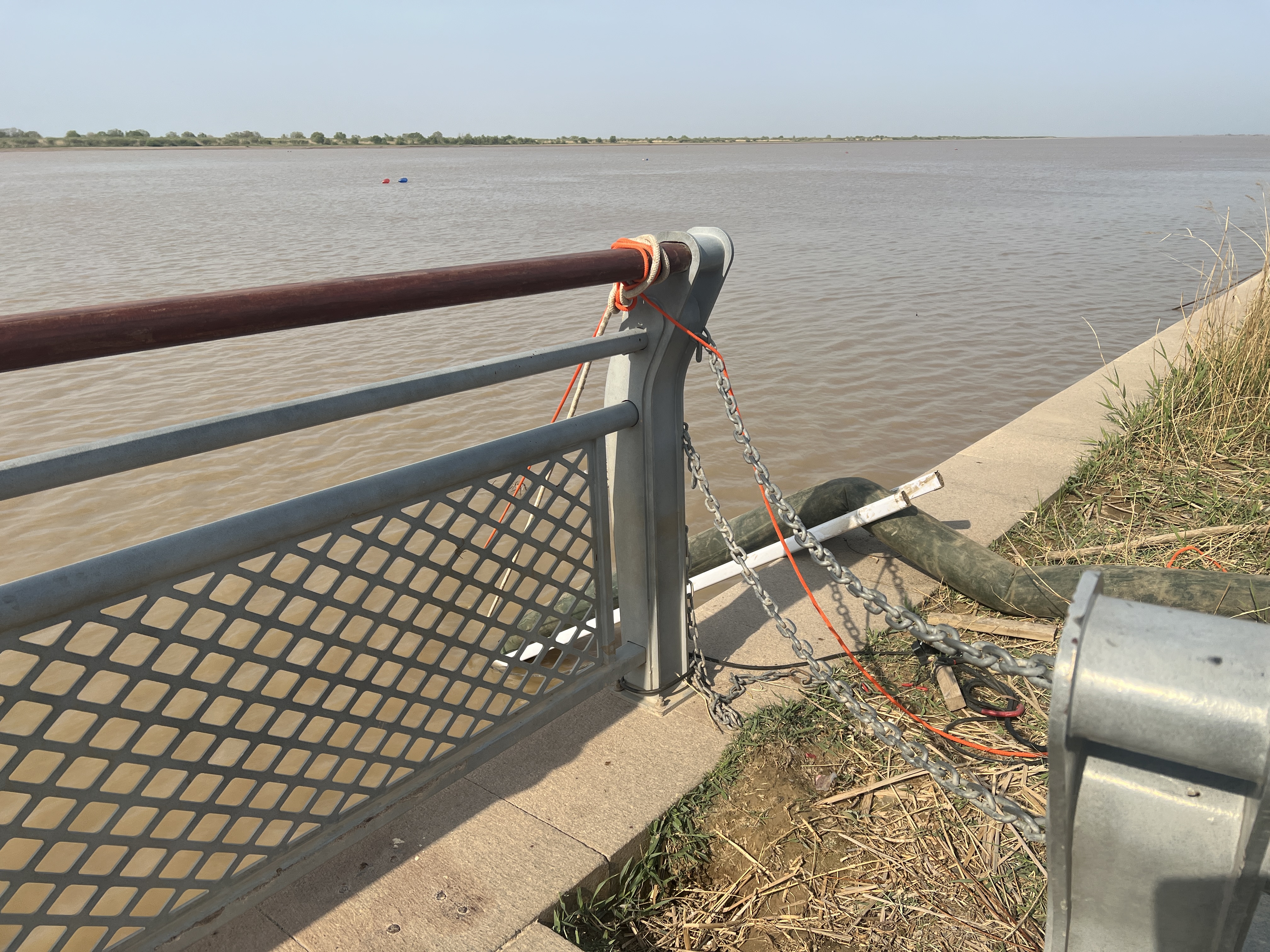
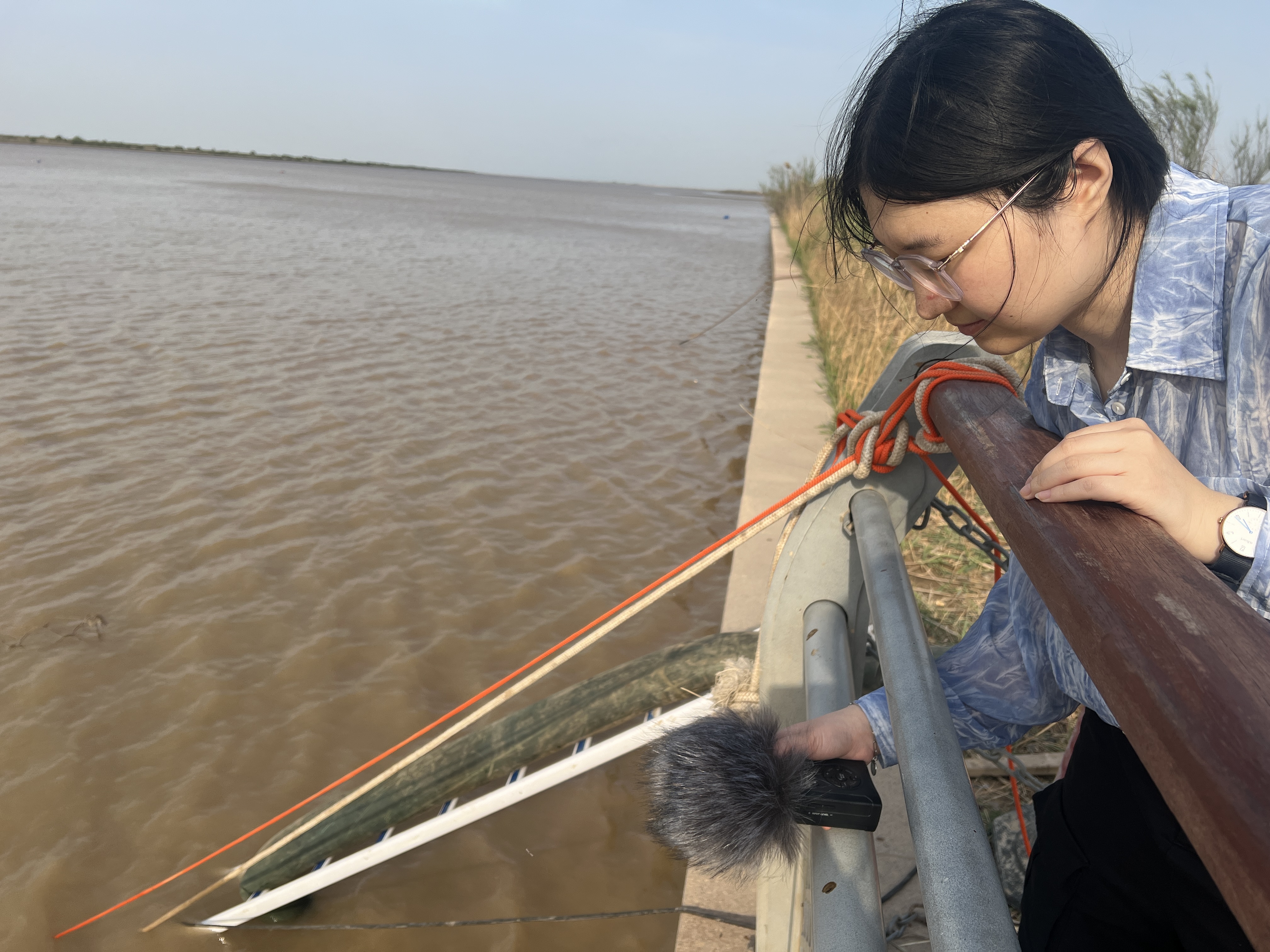
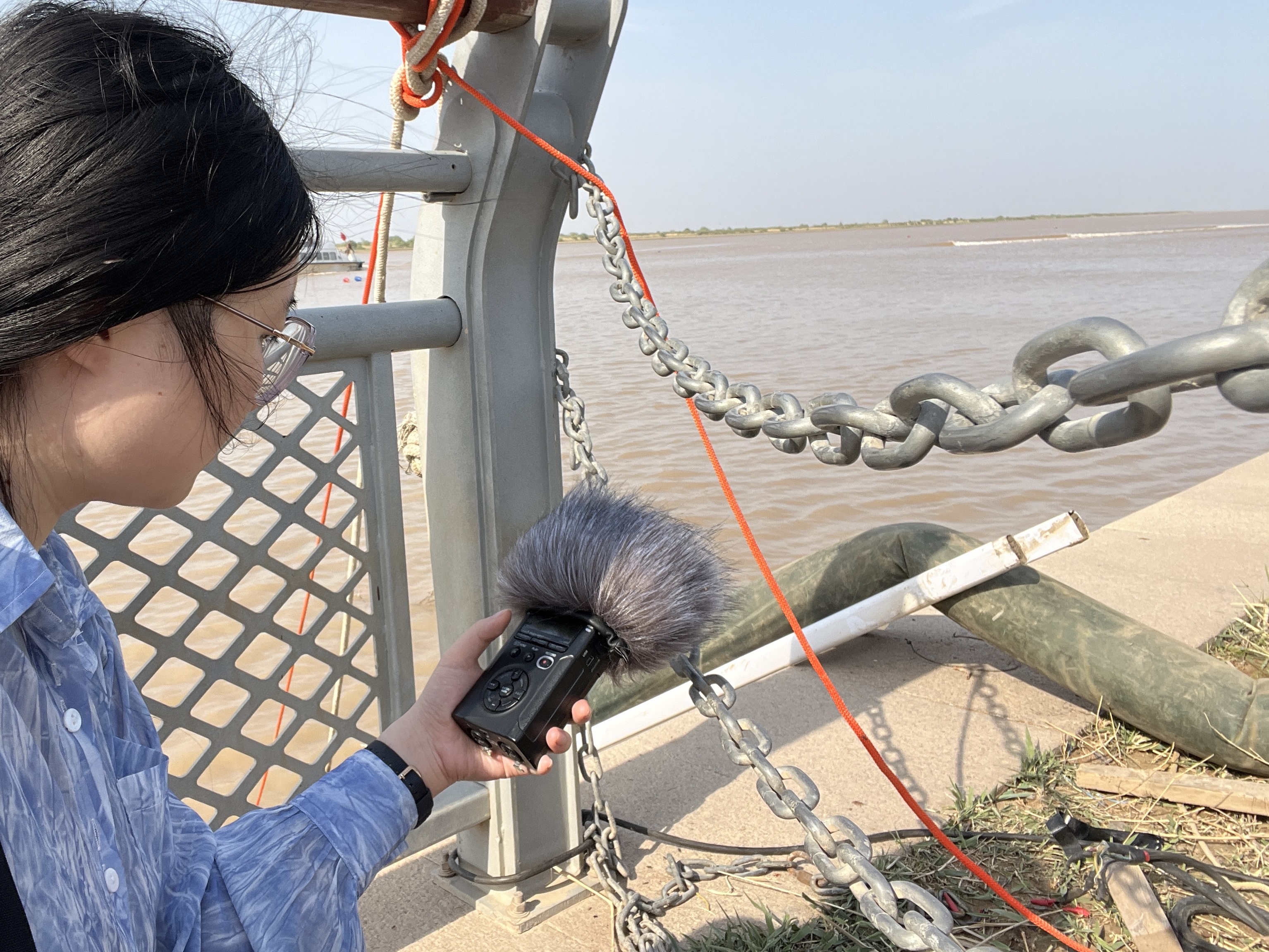
Site3 (37.74745° N, 119.14501° E)
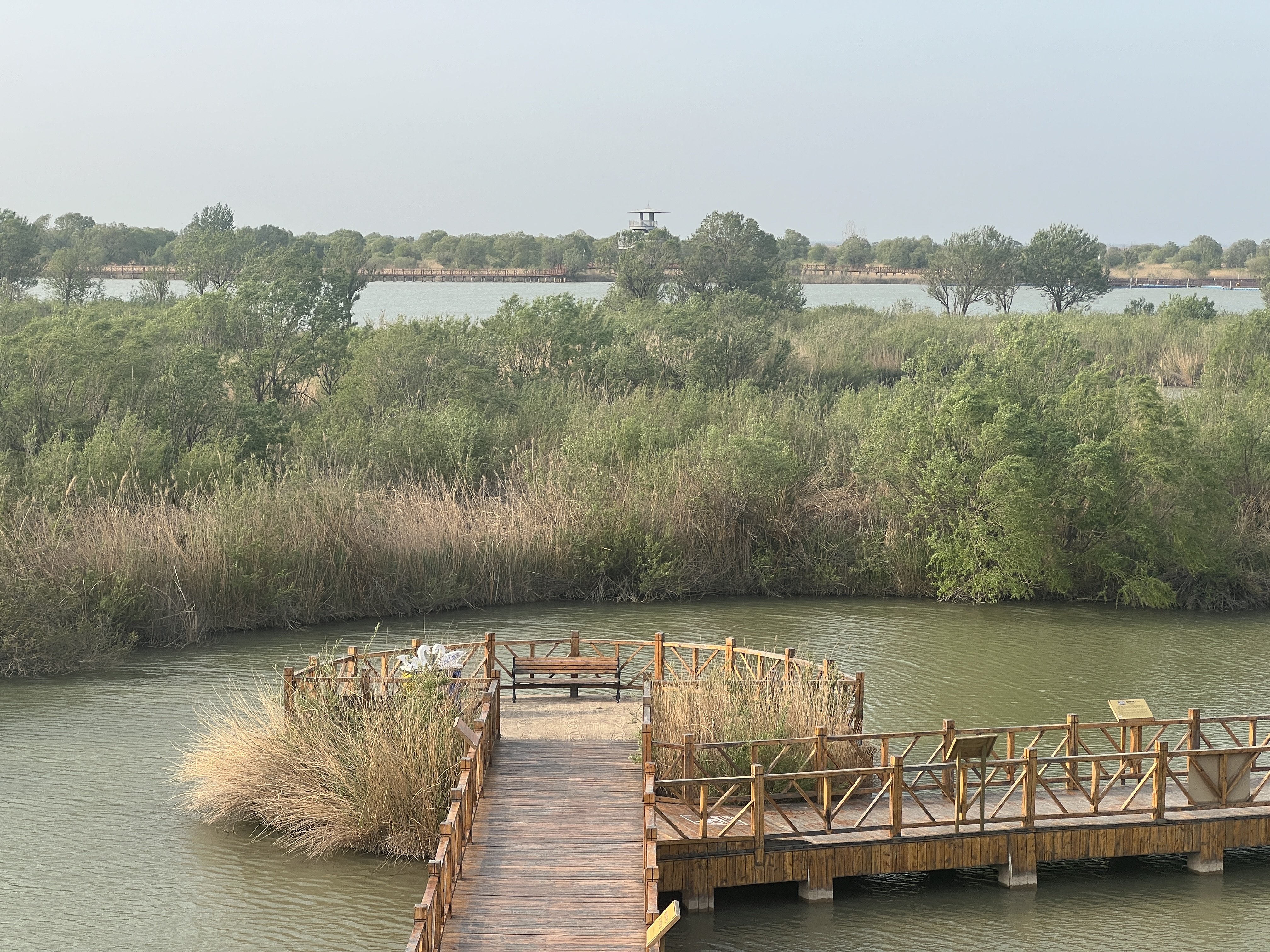
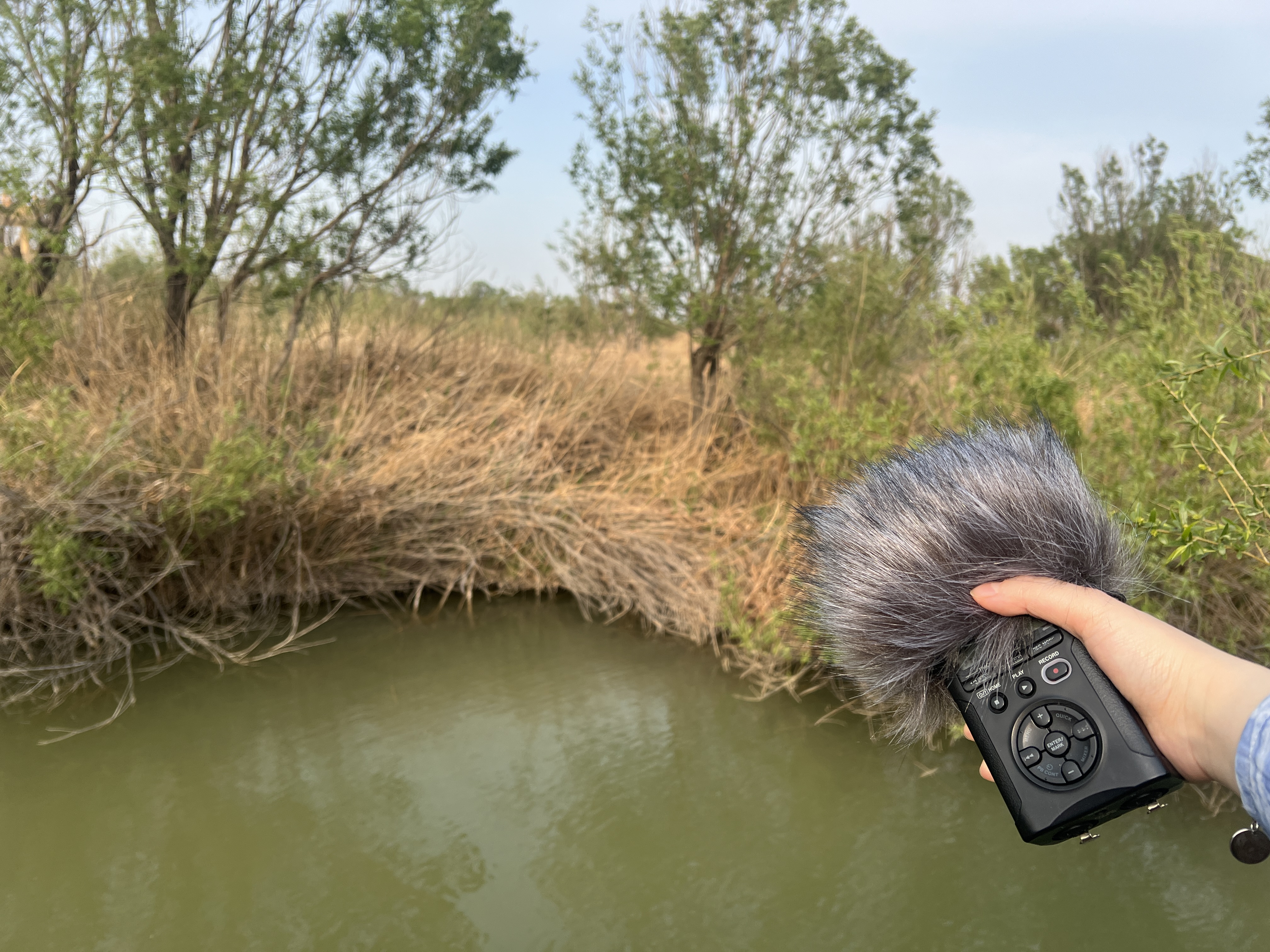
Site4 (37.73559° N, 119.25632° E)
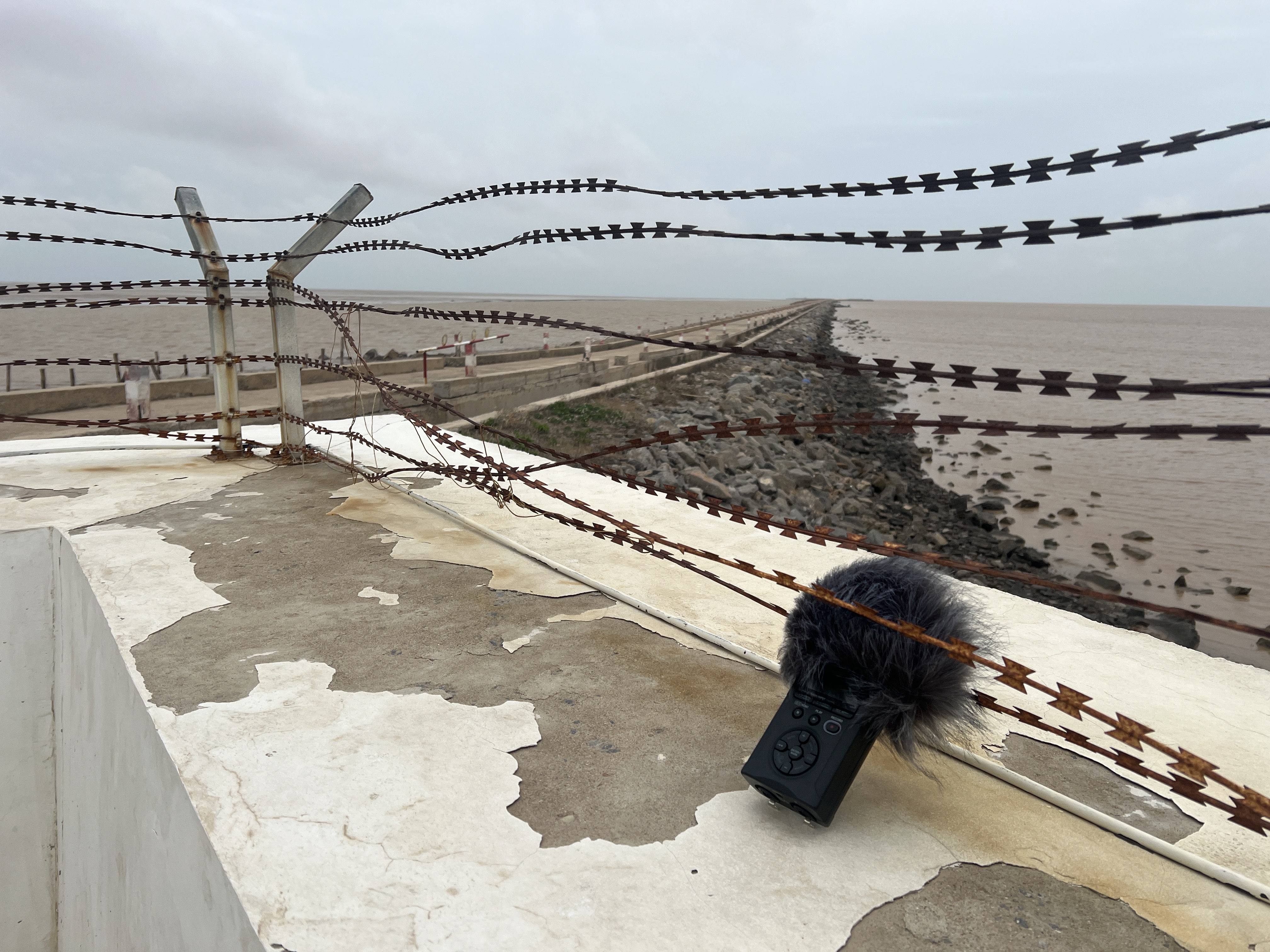
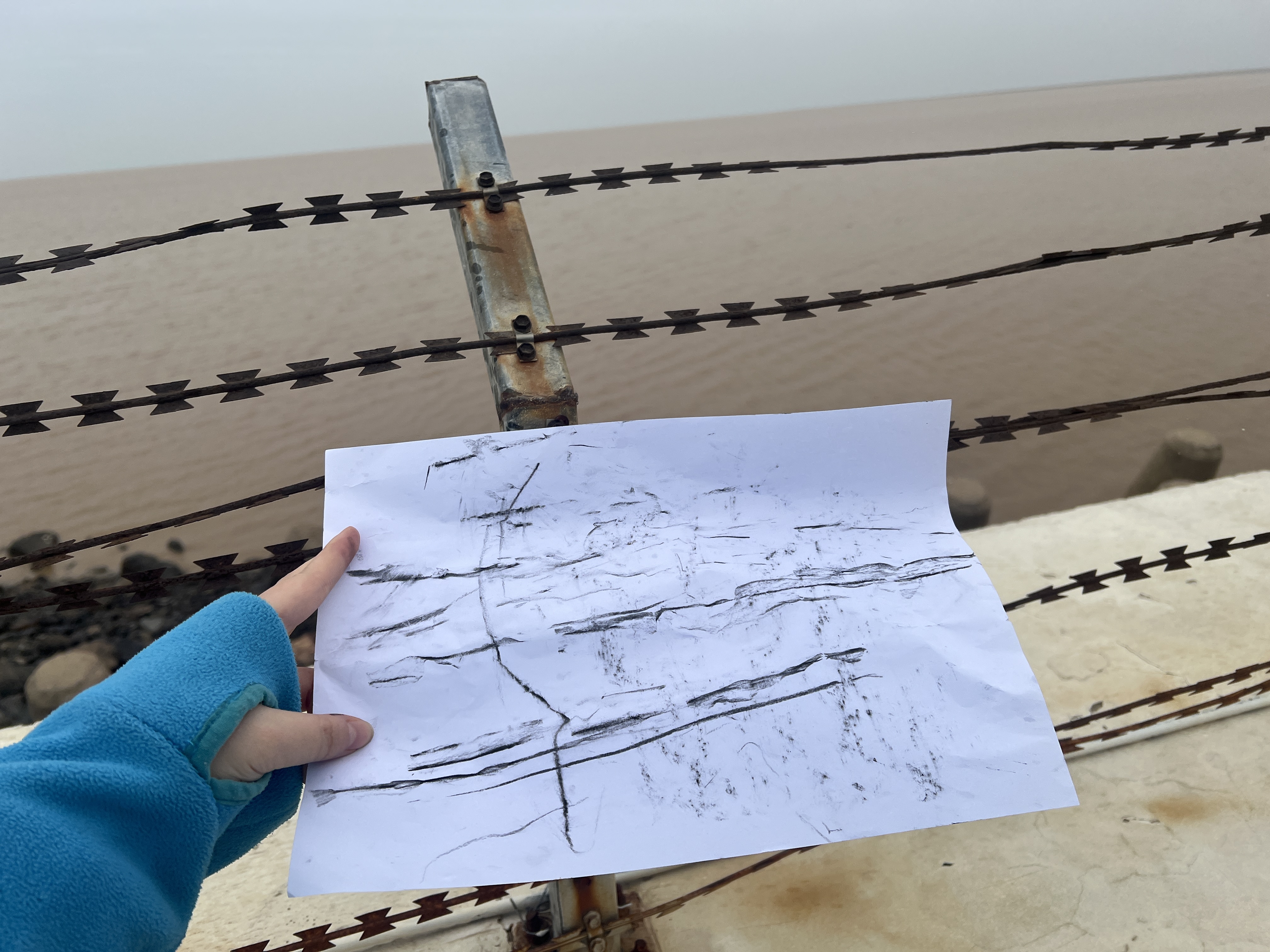
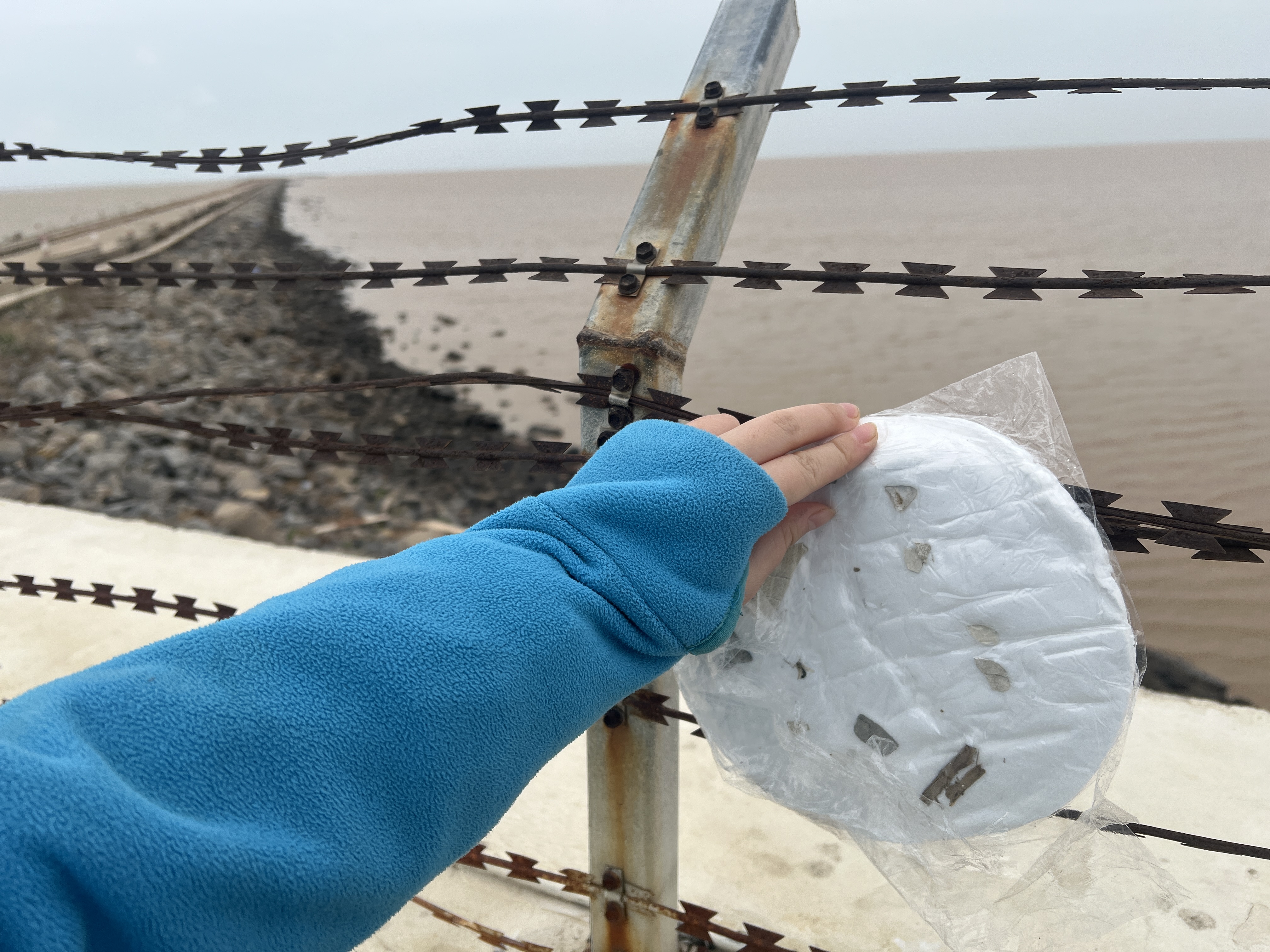
Site5 (37.71972° N, 119.22682° E)
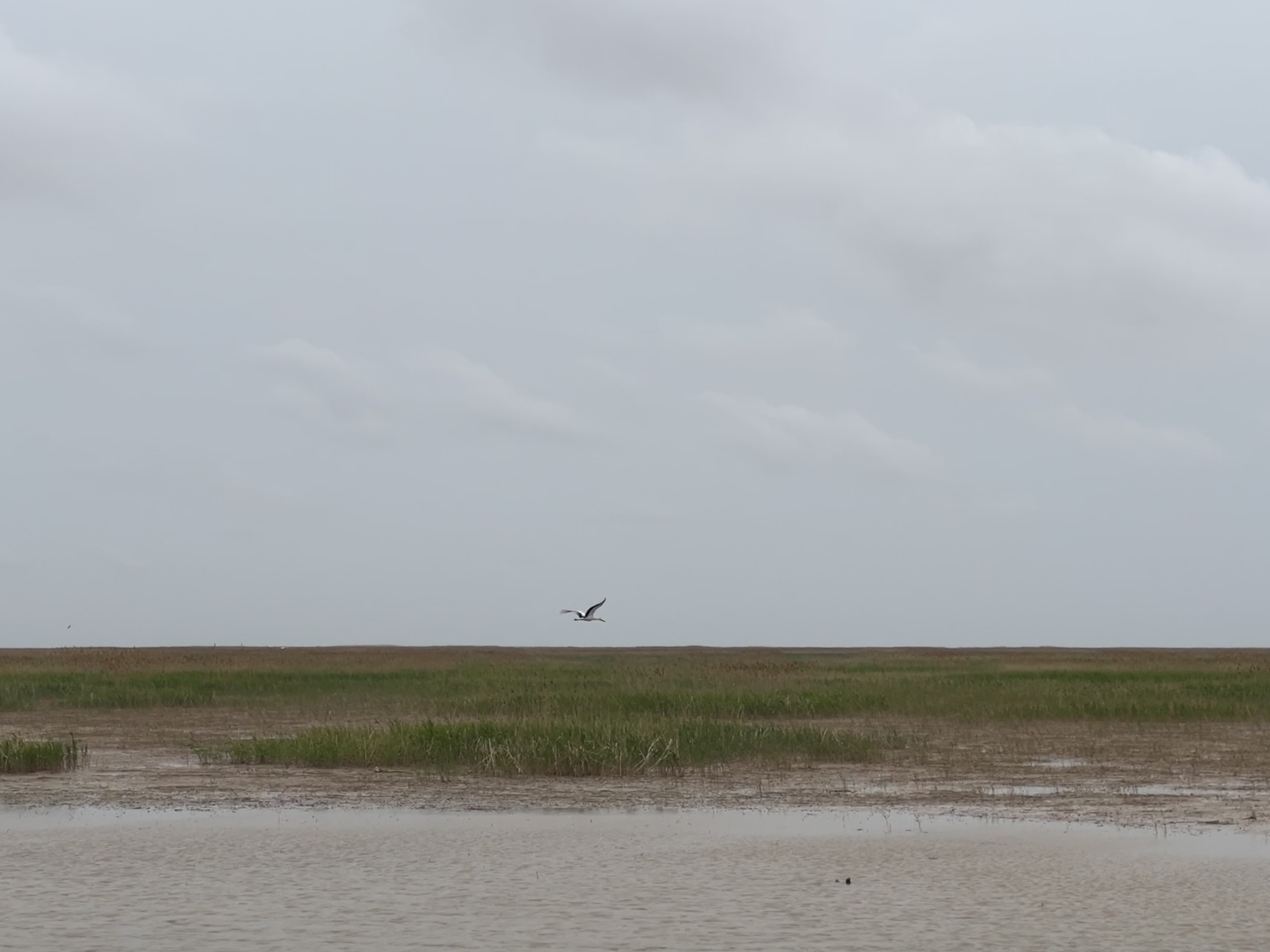
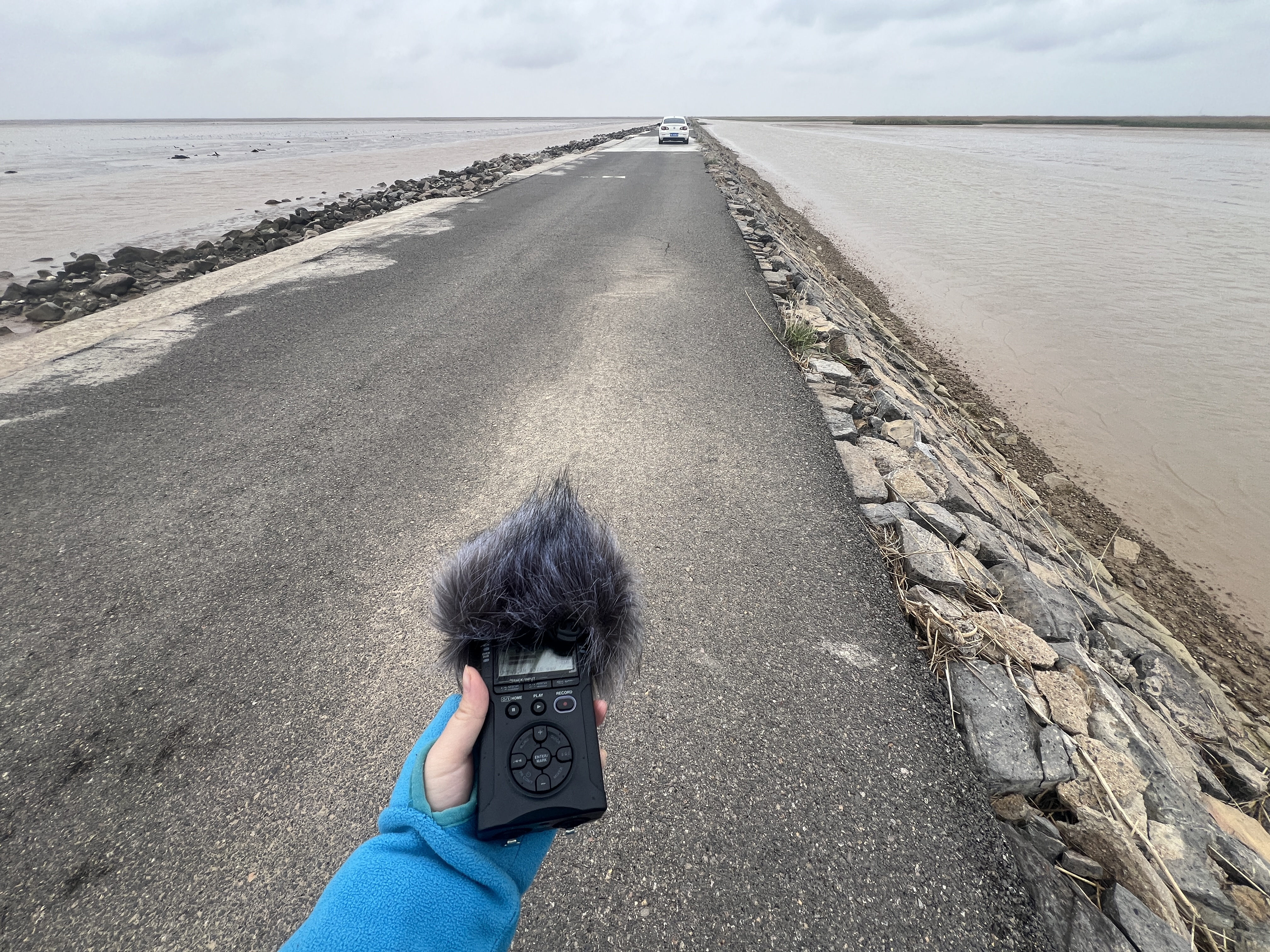
Site6 (37.75710° N, 119.16983° E)
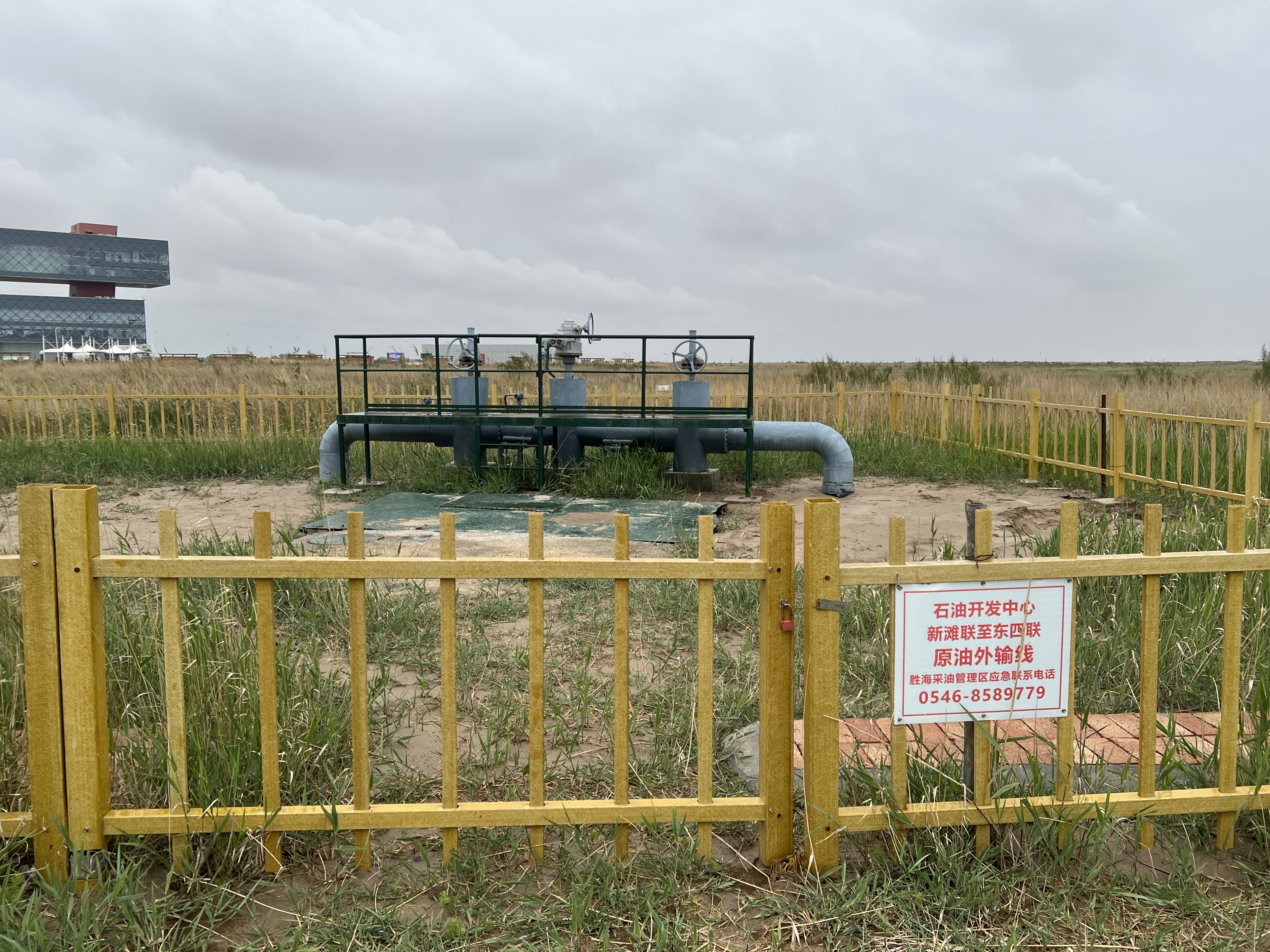
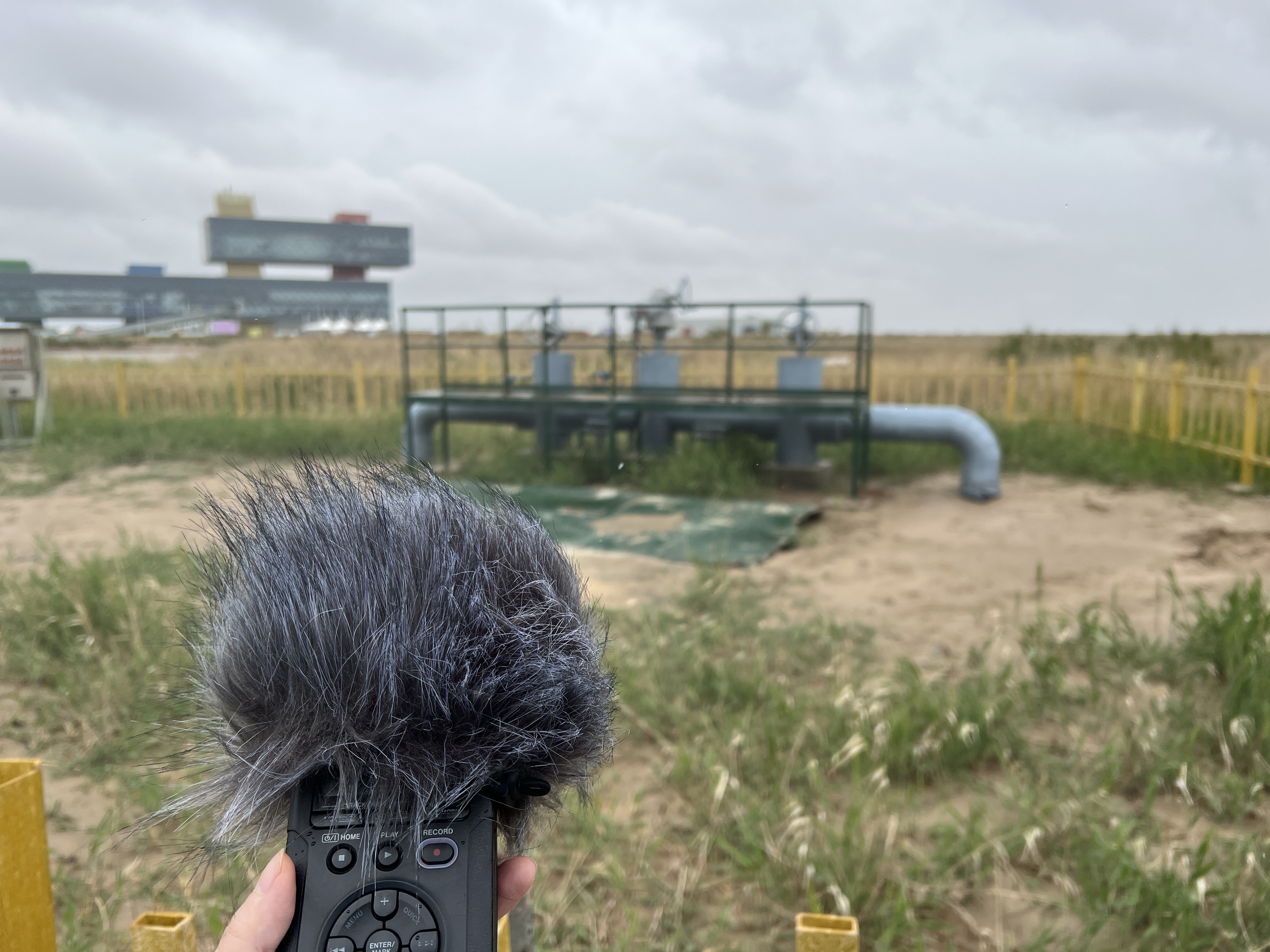
Site7 (37.87978° N, 119.09134° E)
Site8 (37.91356° N, 119.09611° E)
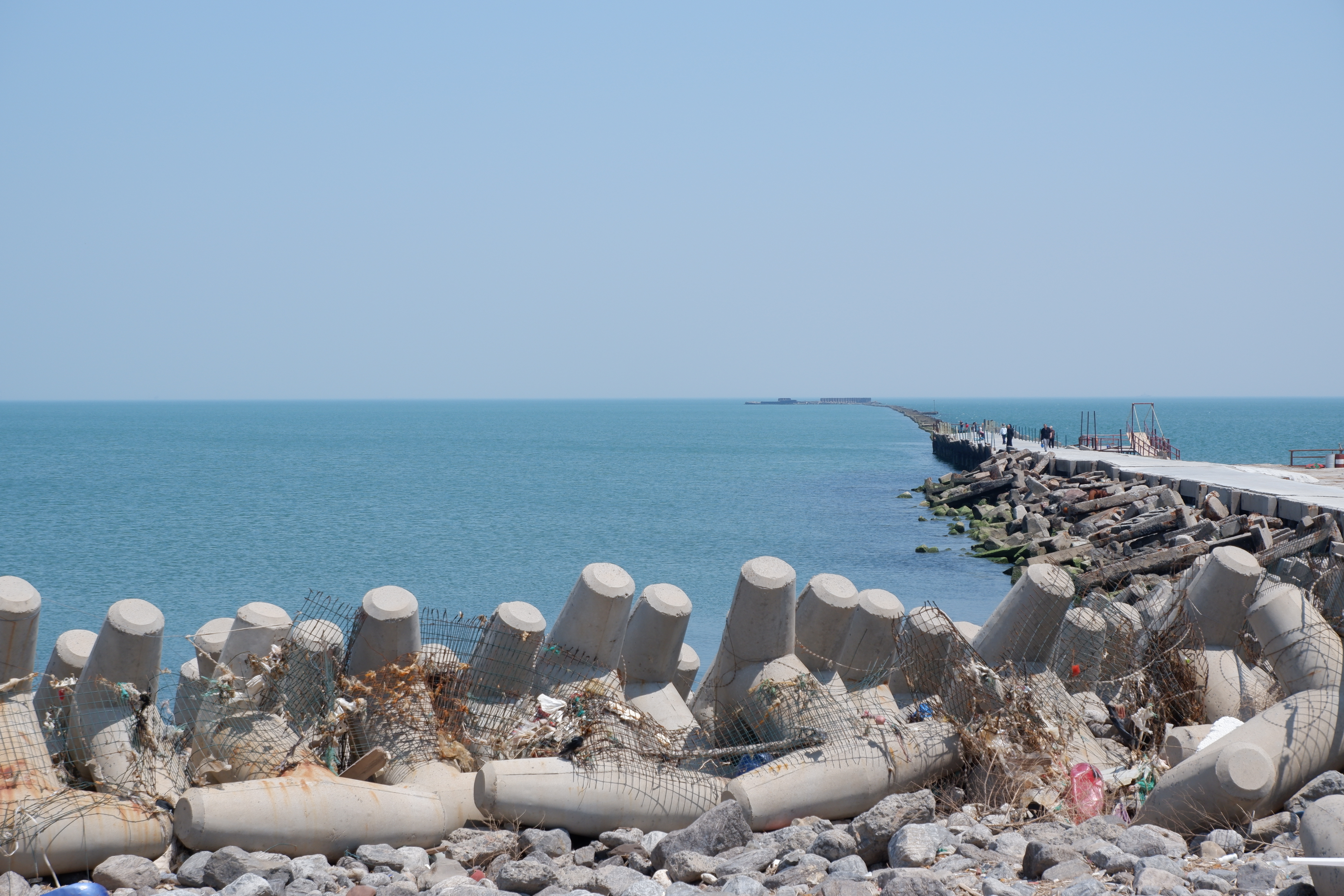
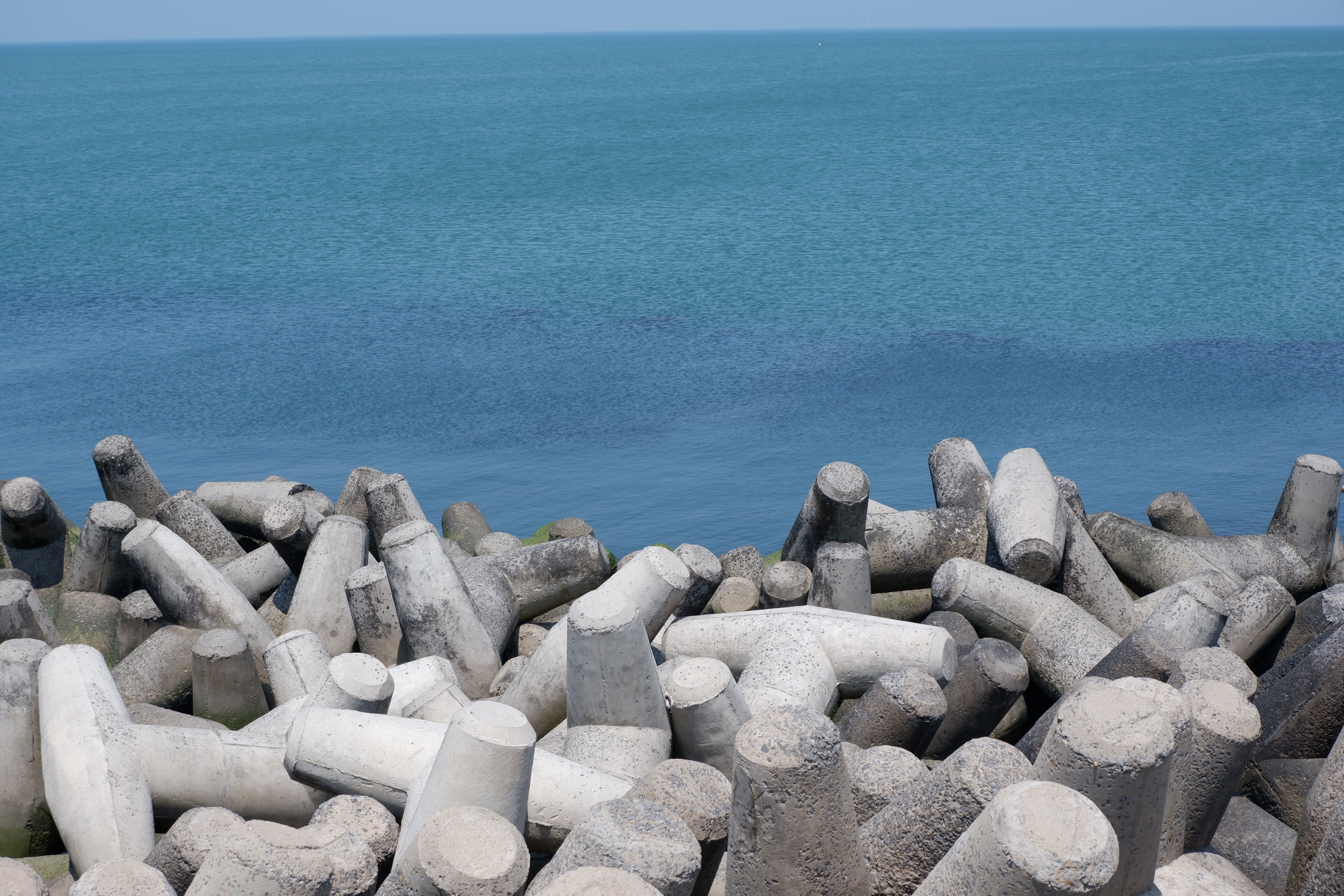
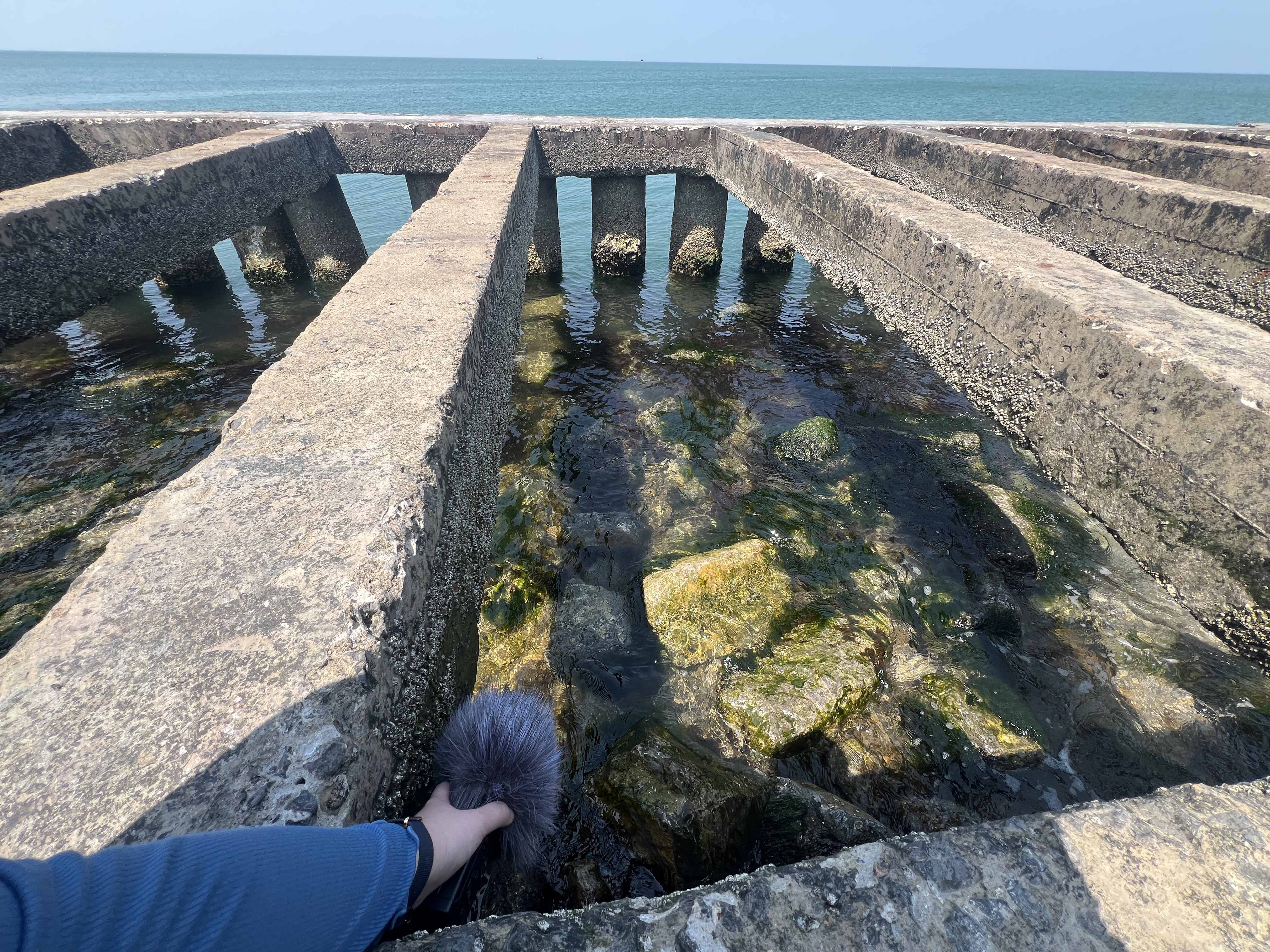
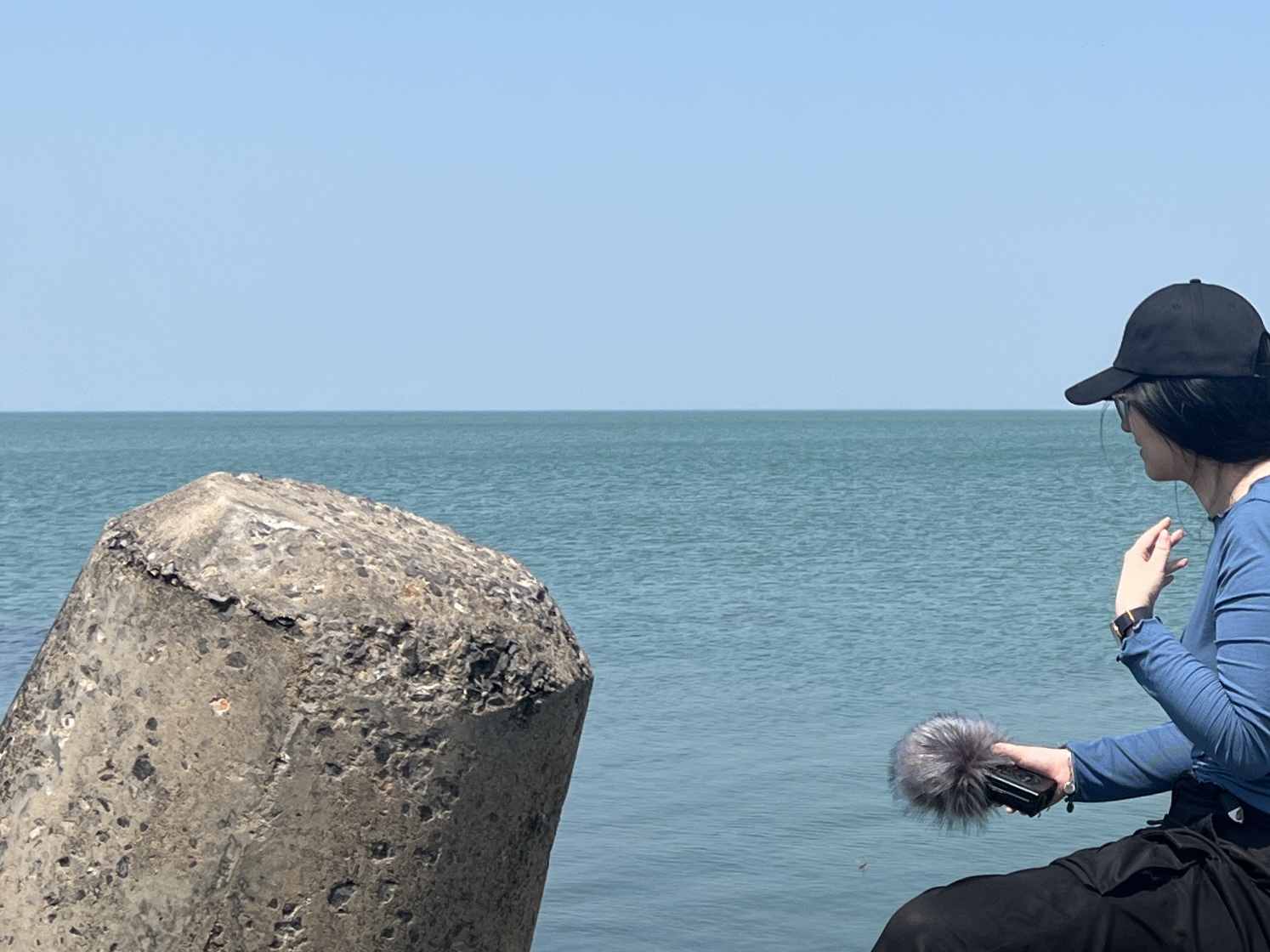
Site9 (37.83850° N, 119.06925° E)
Site10 (37.48271° N, 118.74365° E)
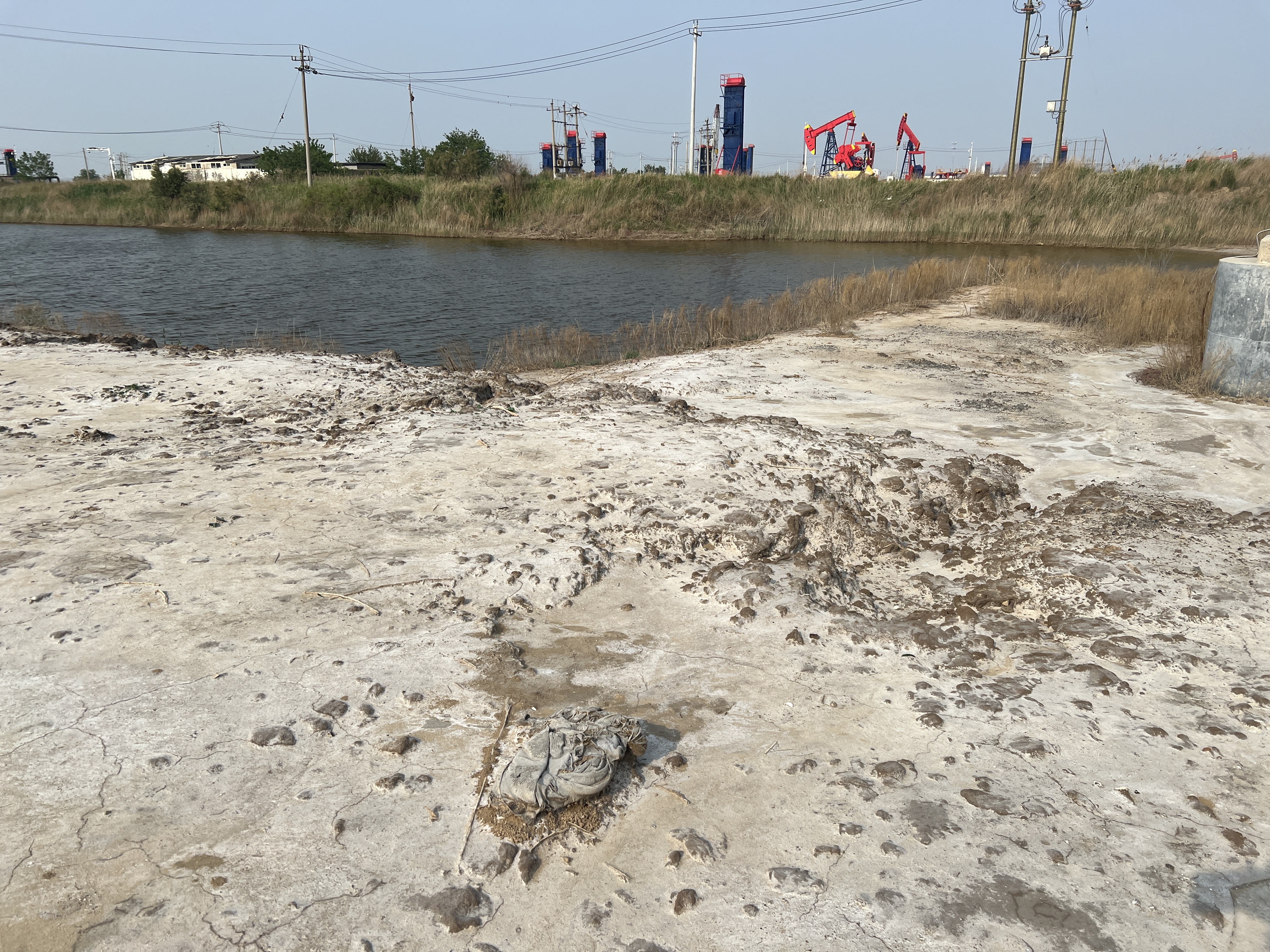
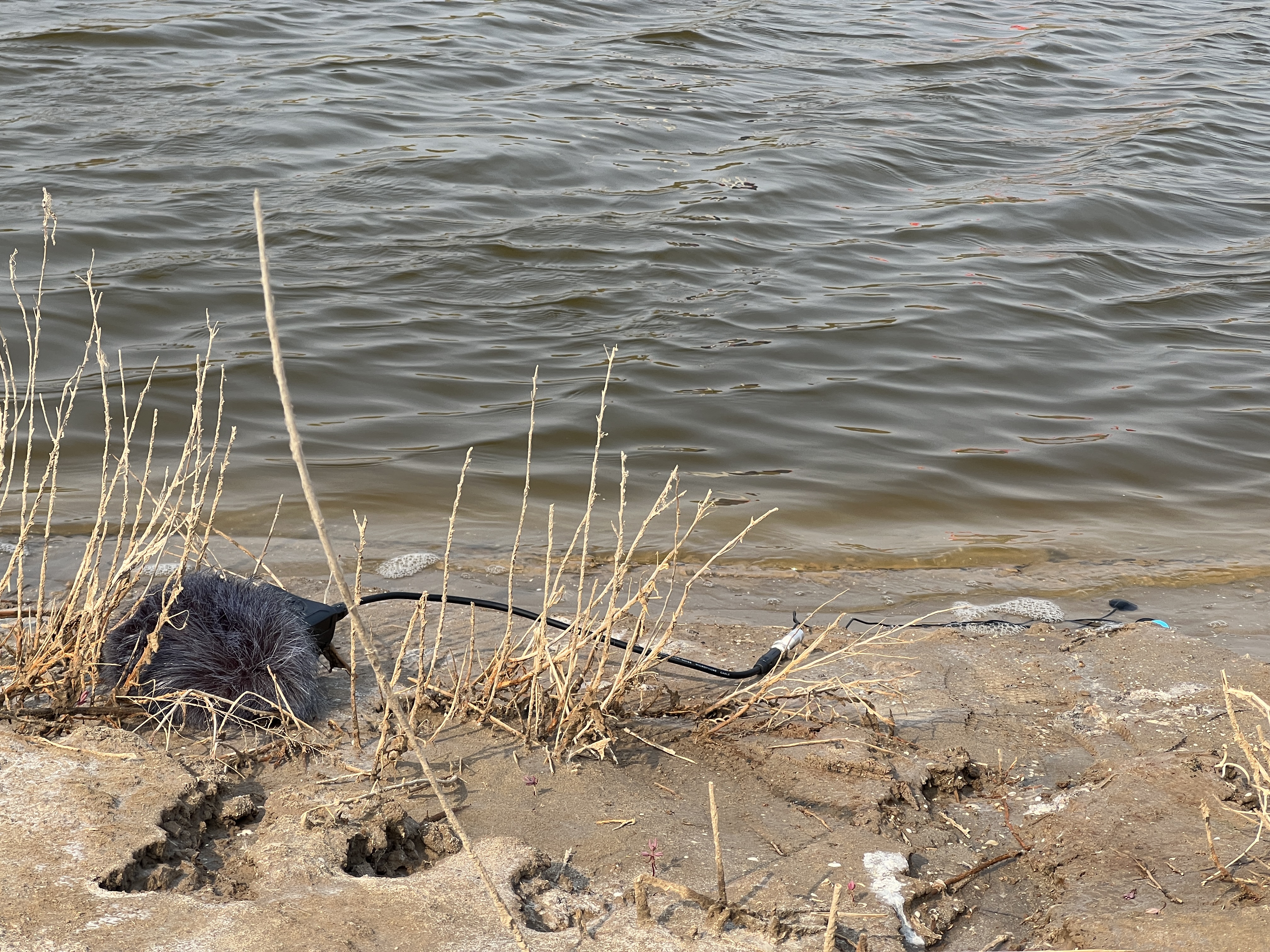
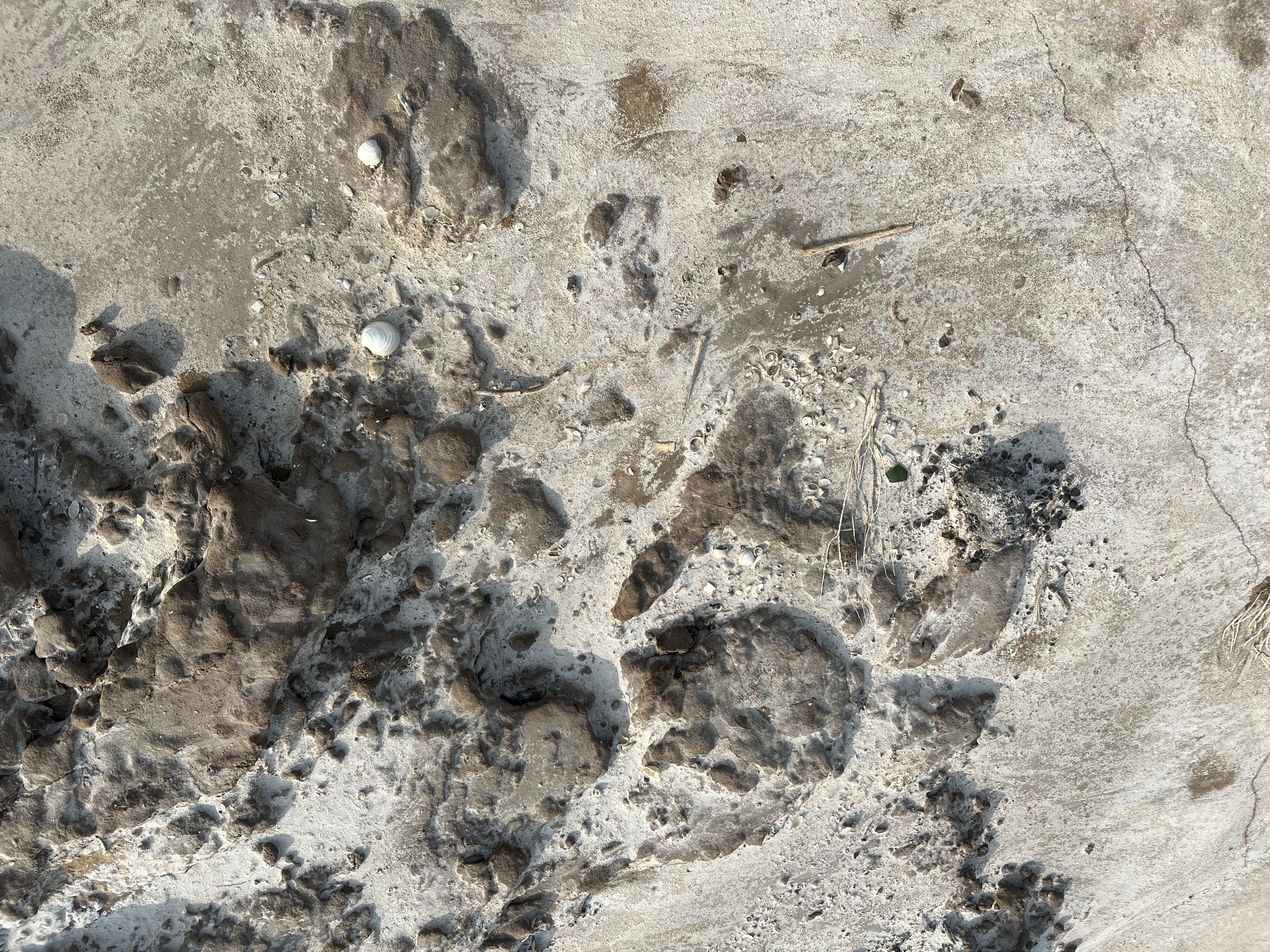
Site11 (37.47660° N, 118.74486° E)
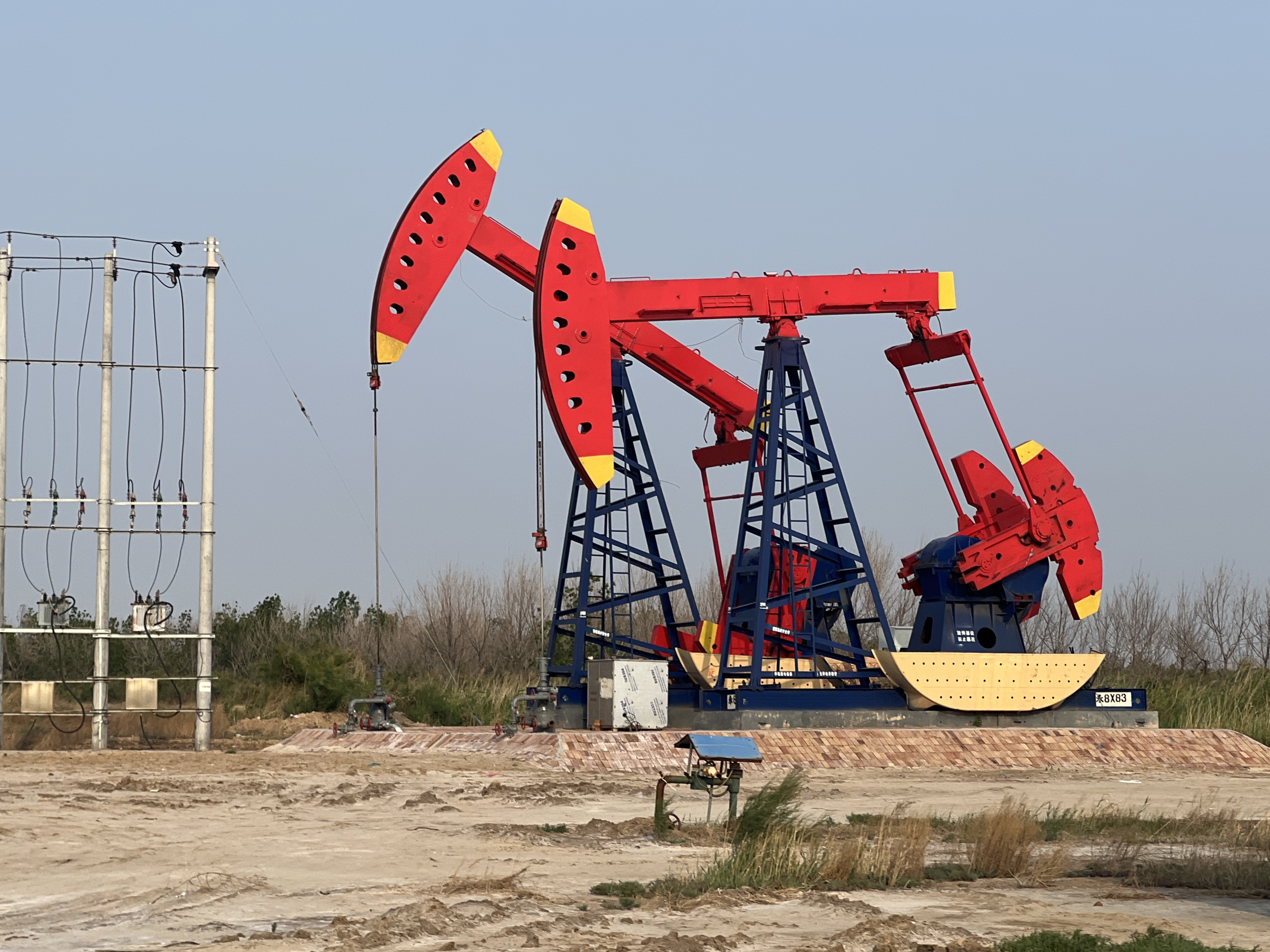
Site12 (37.48443° N, 118.74755° E)
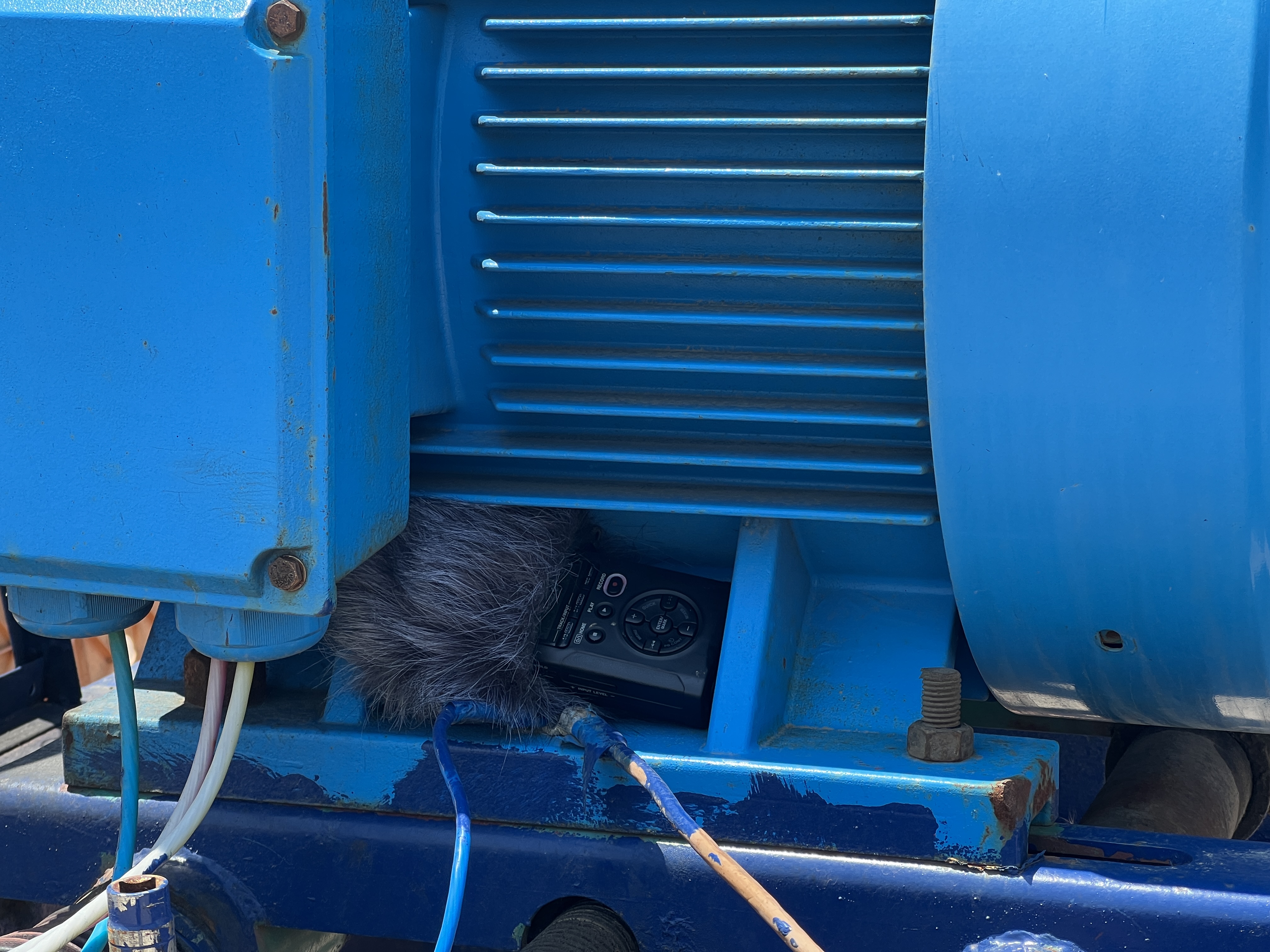
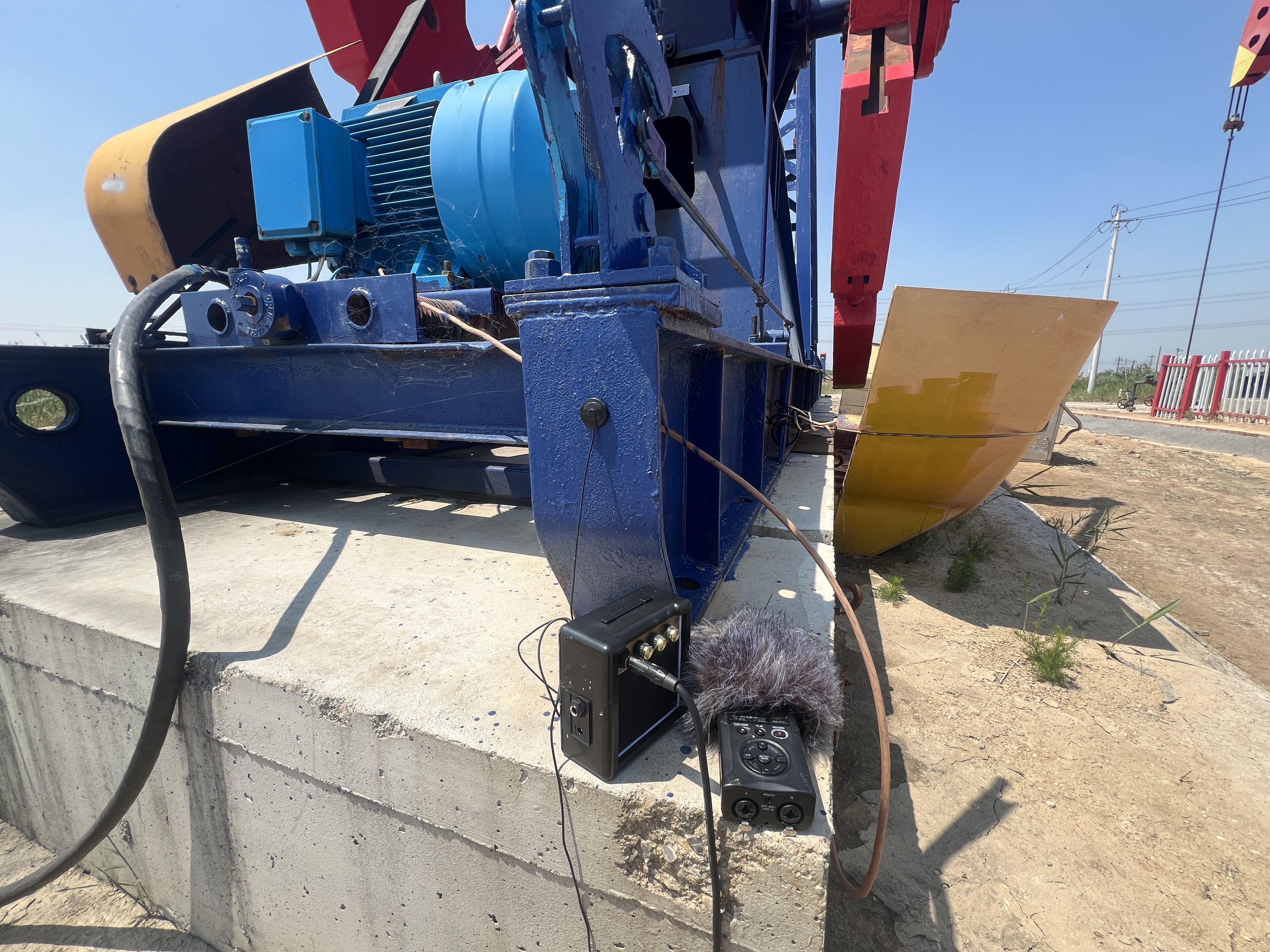
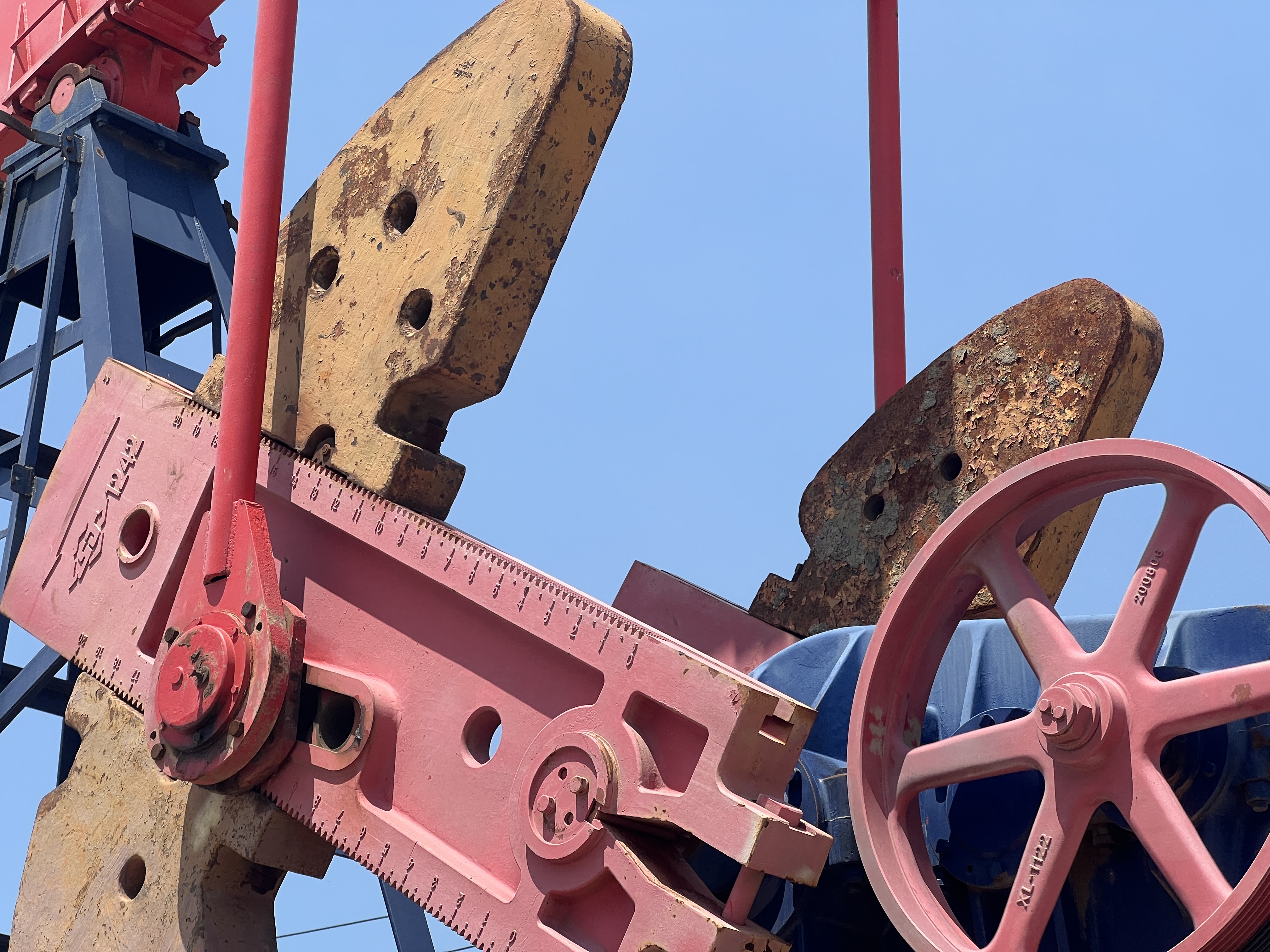

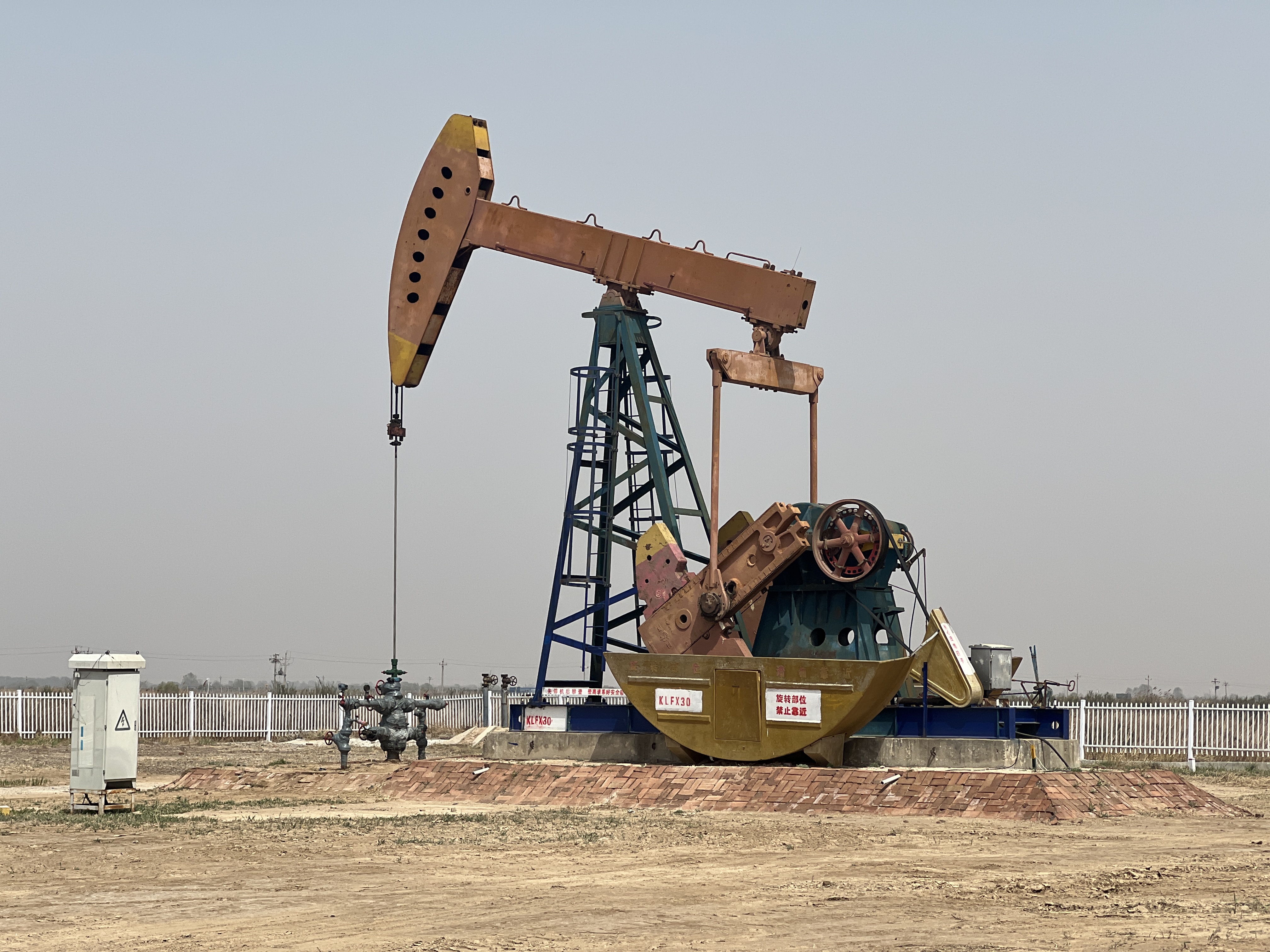
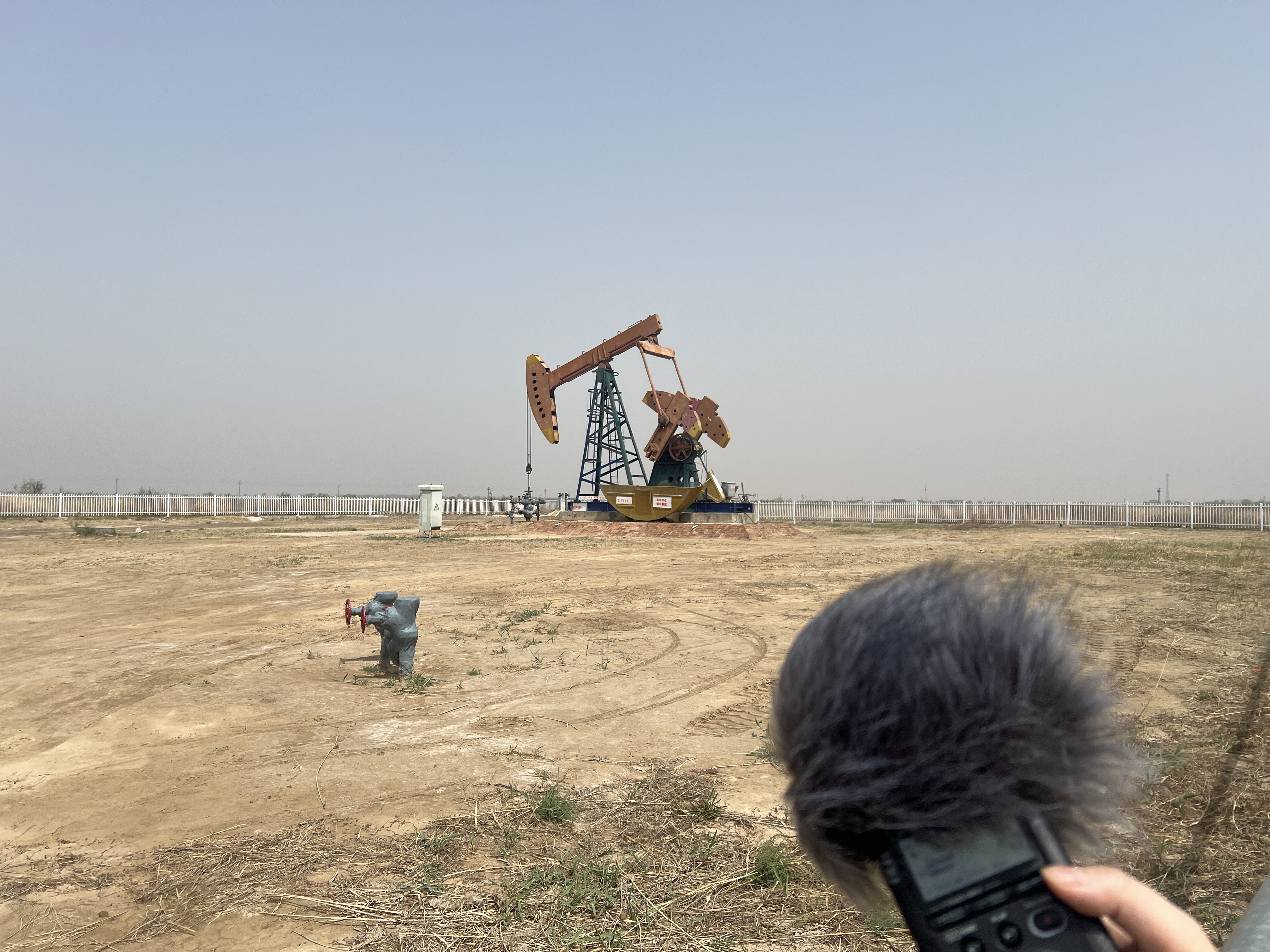
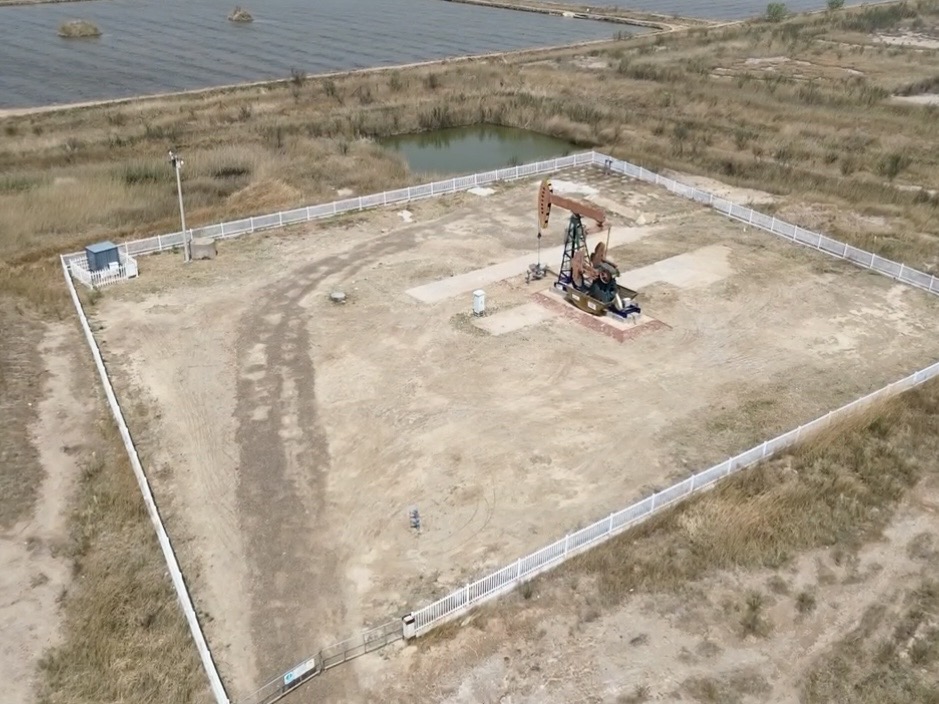
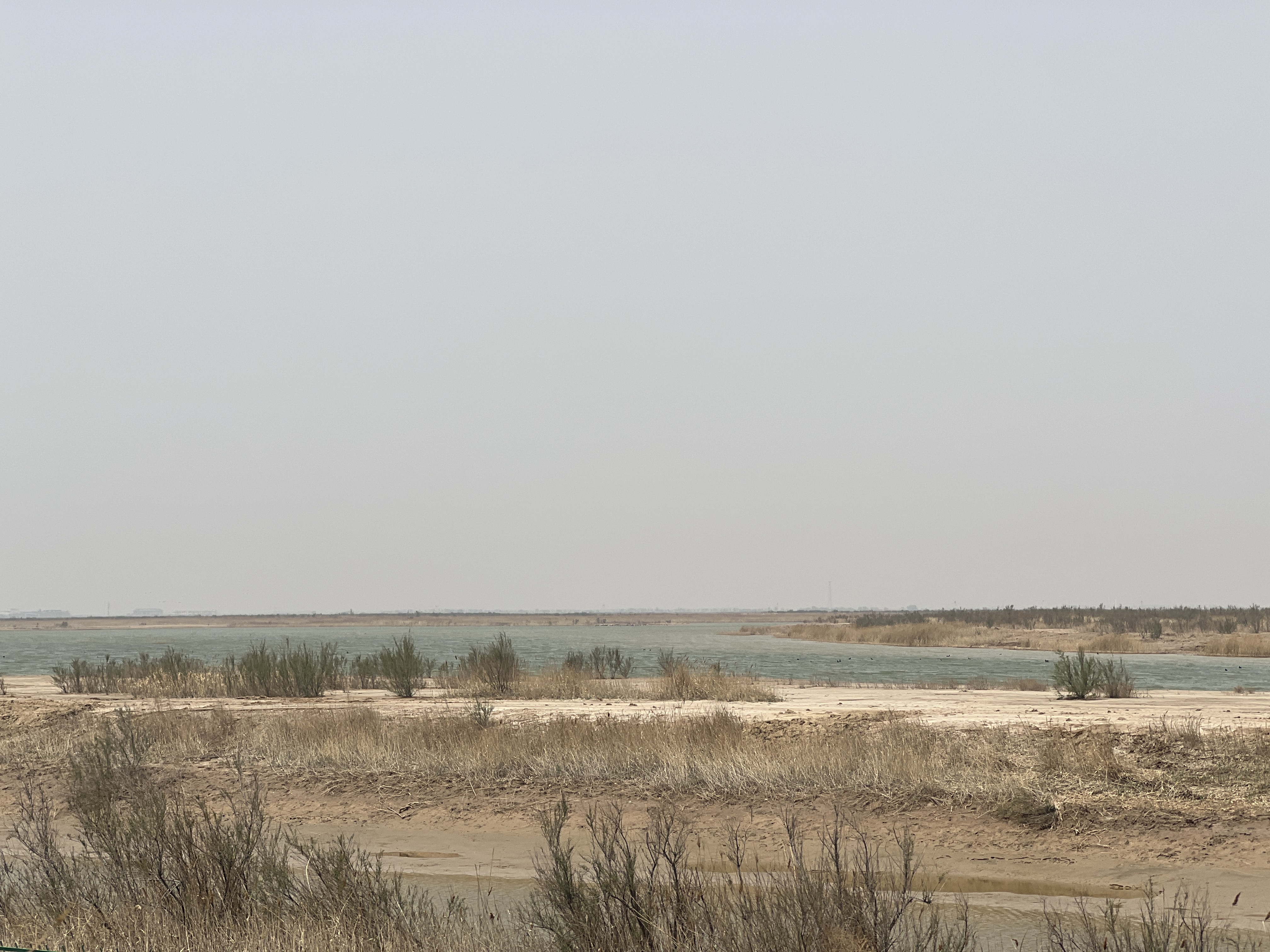
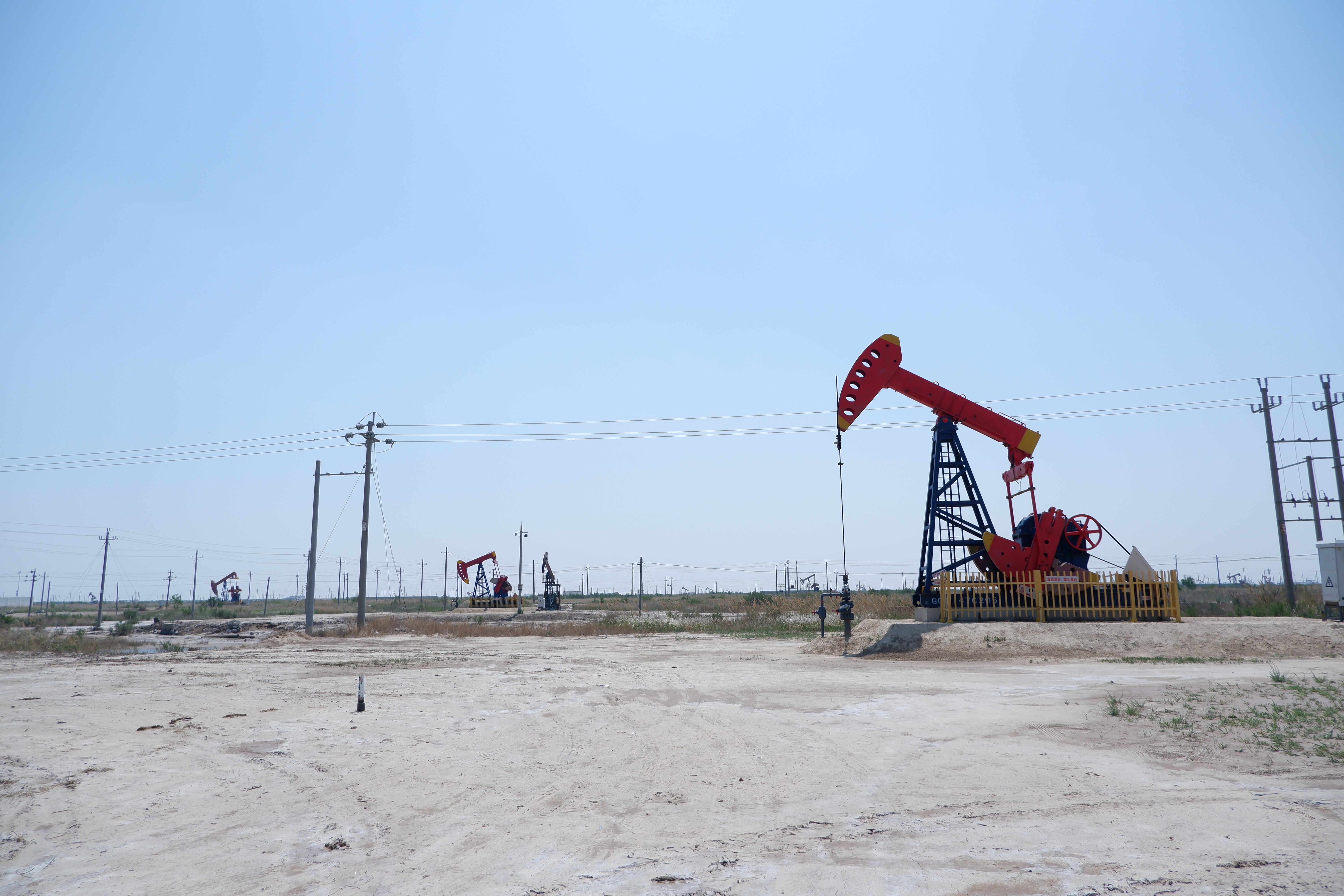
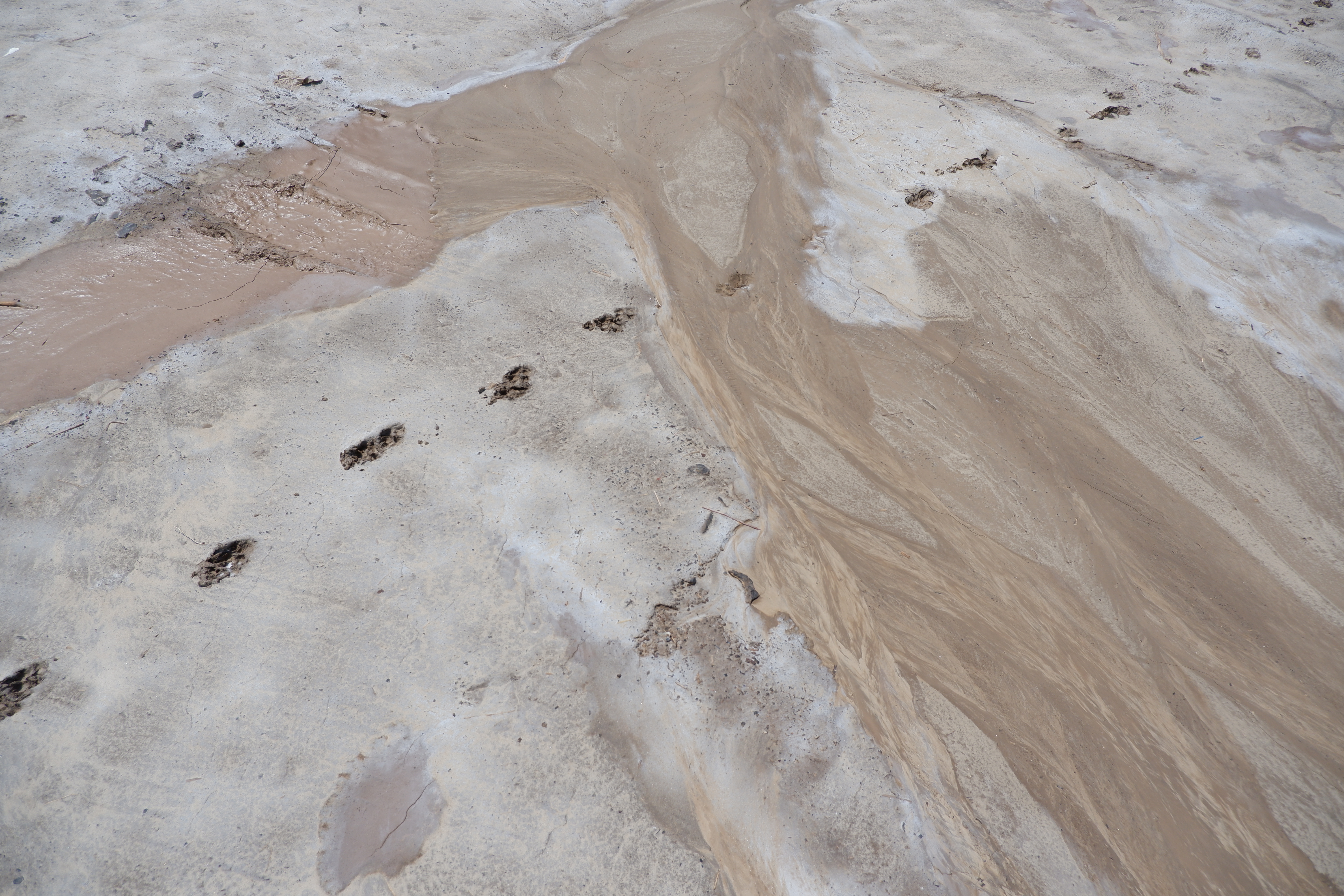
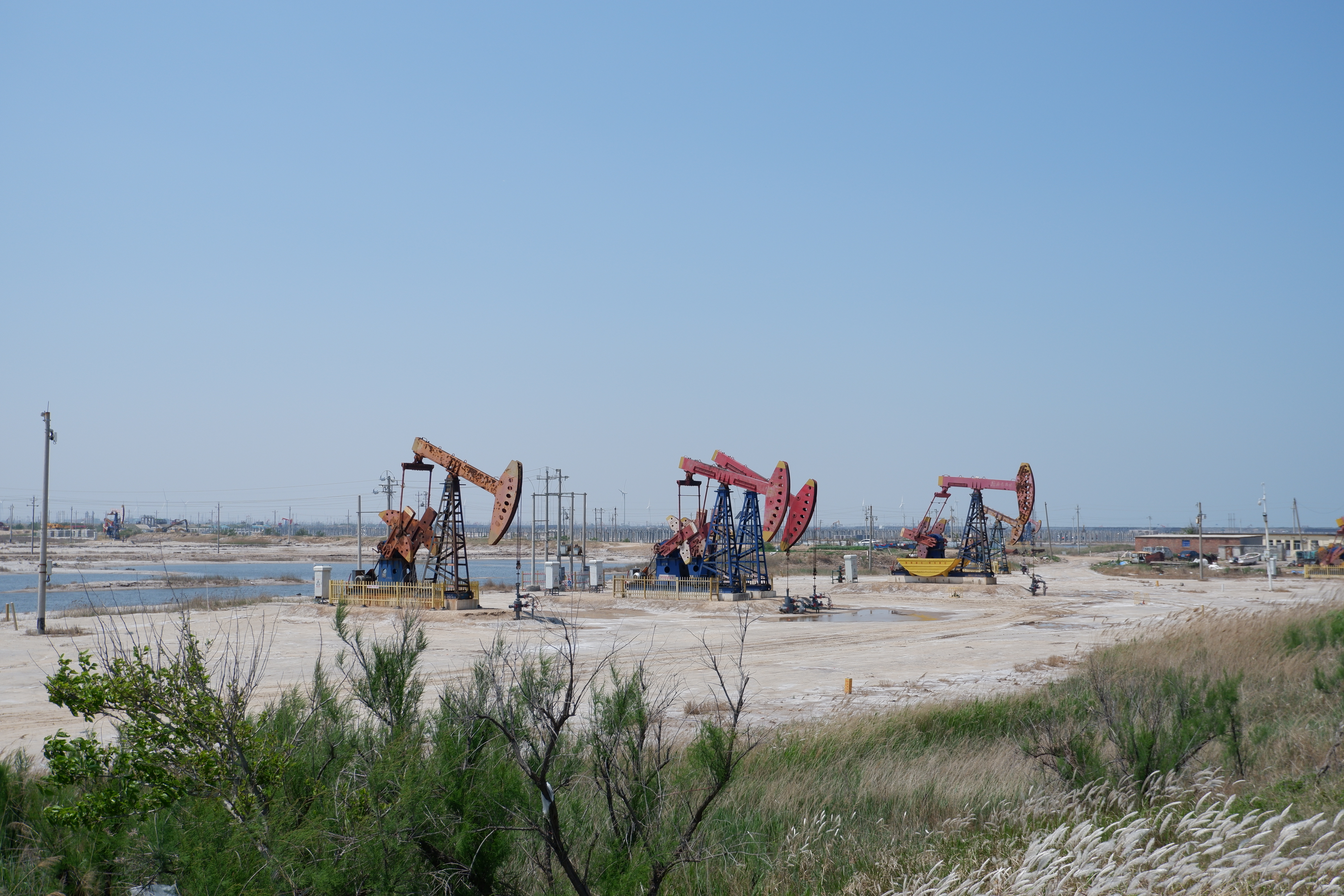
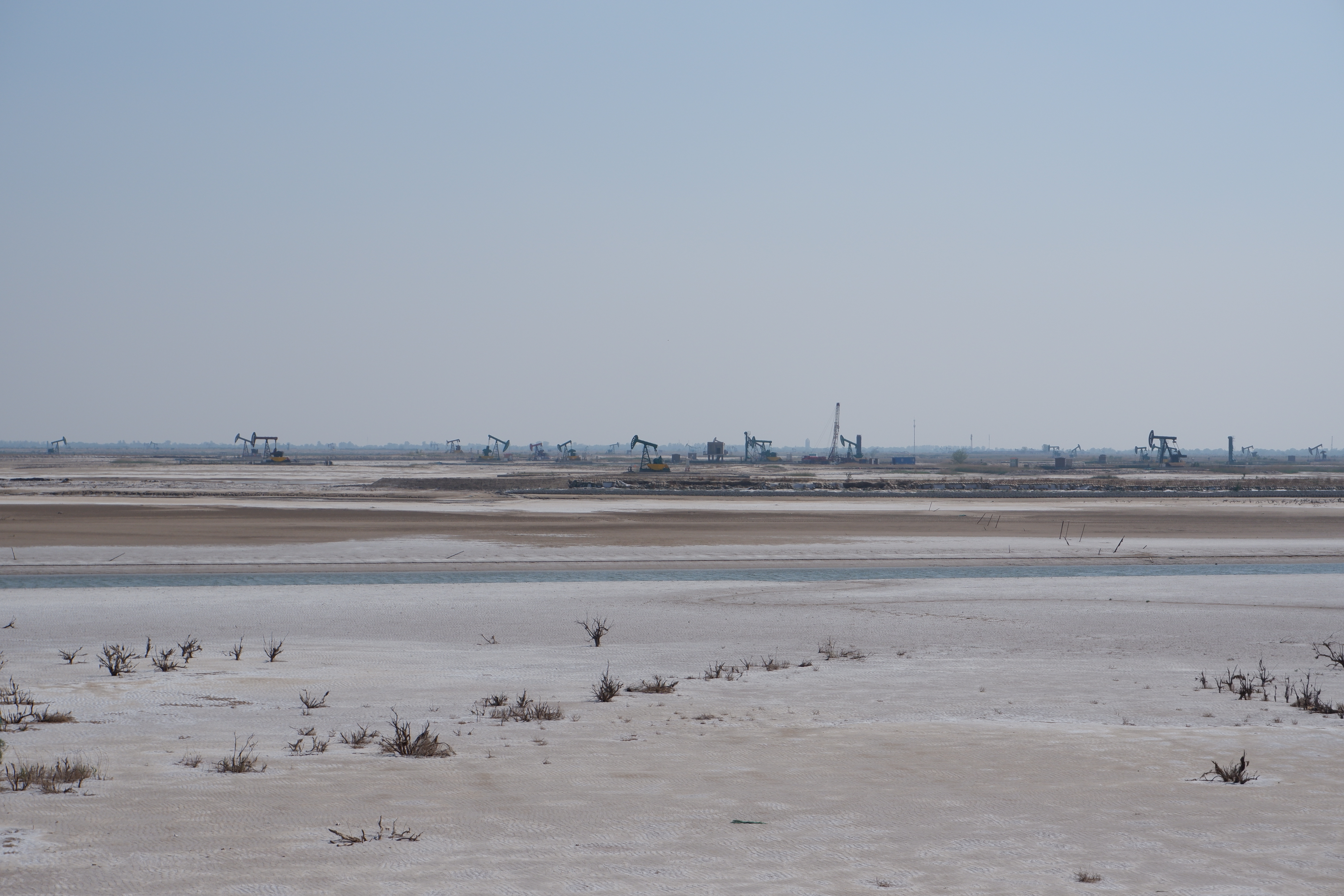
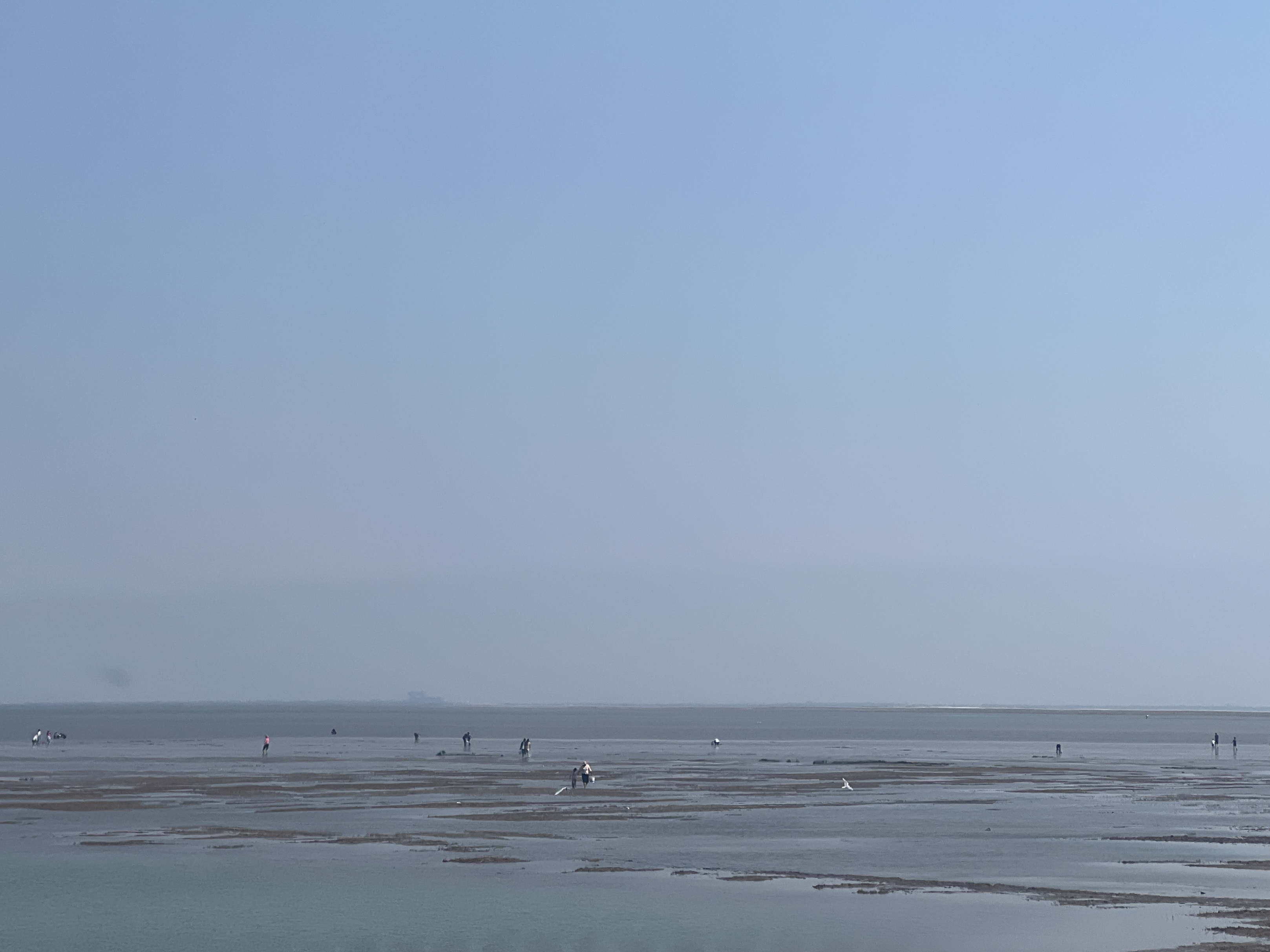
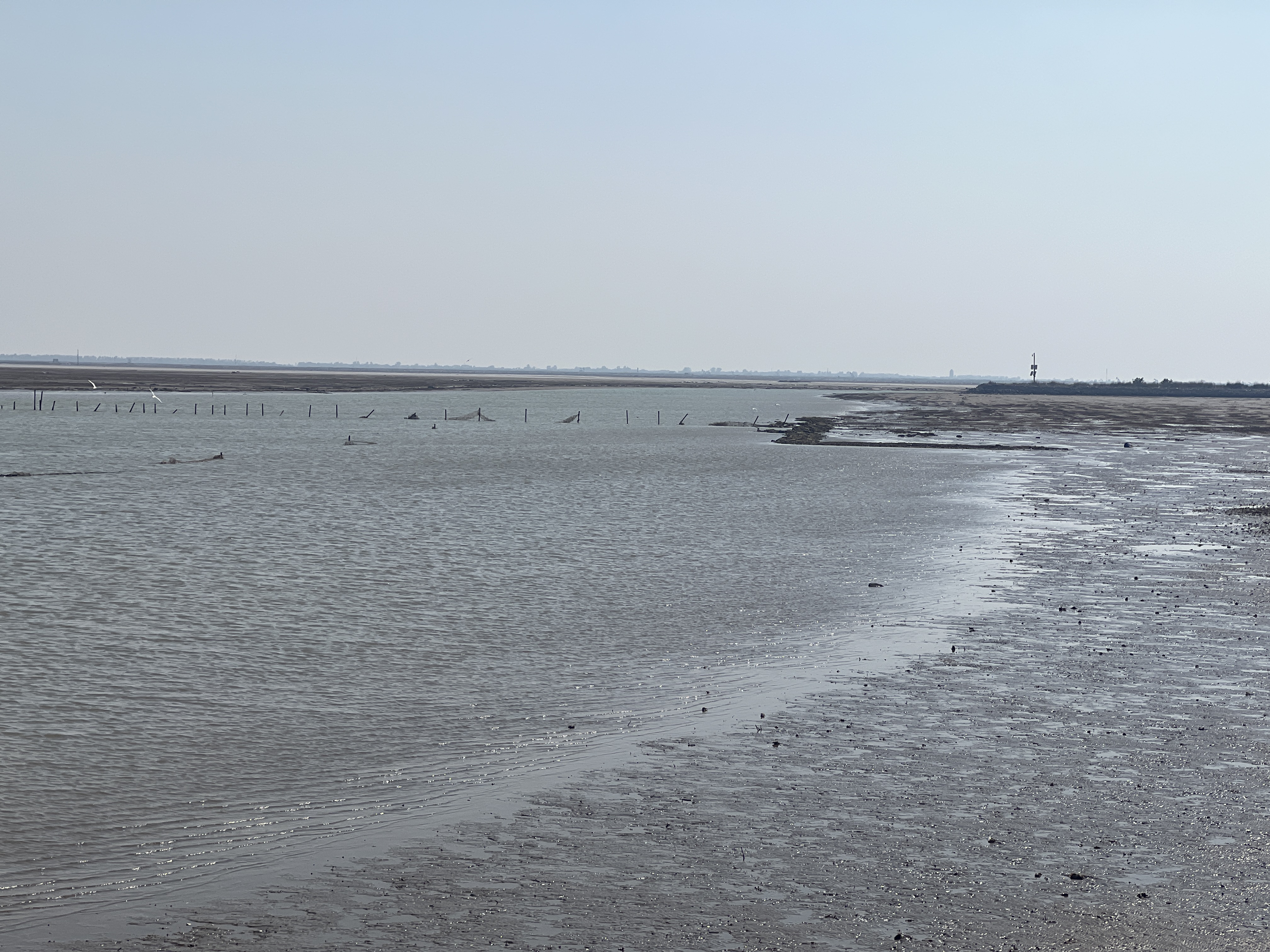
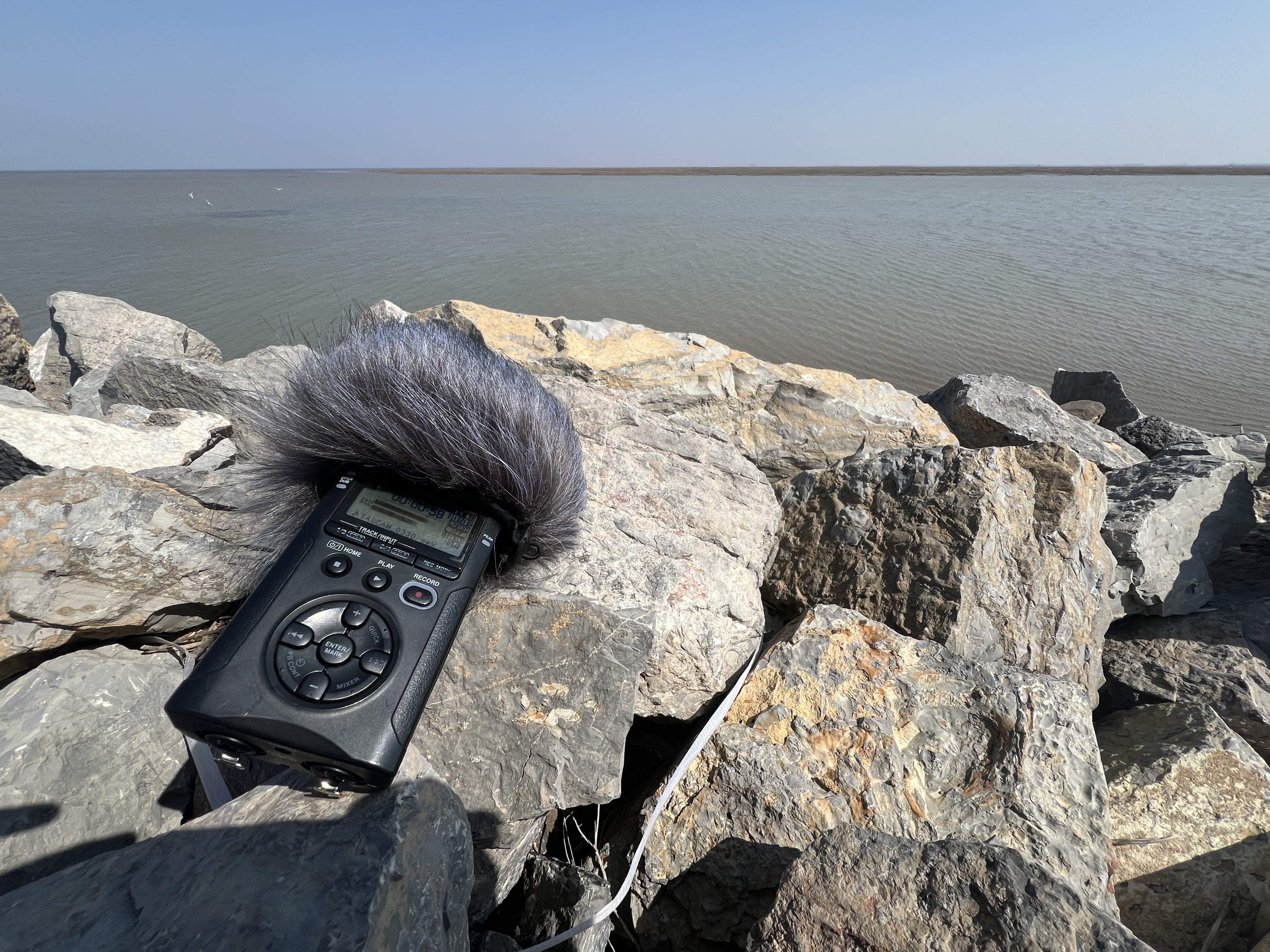
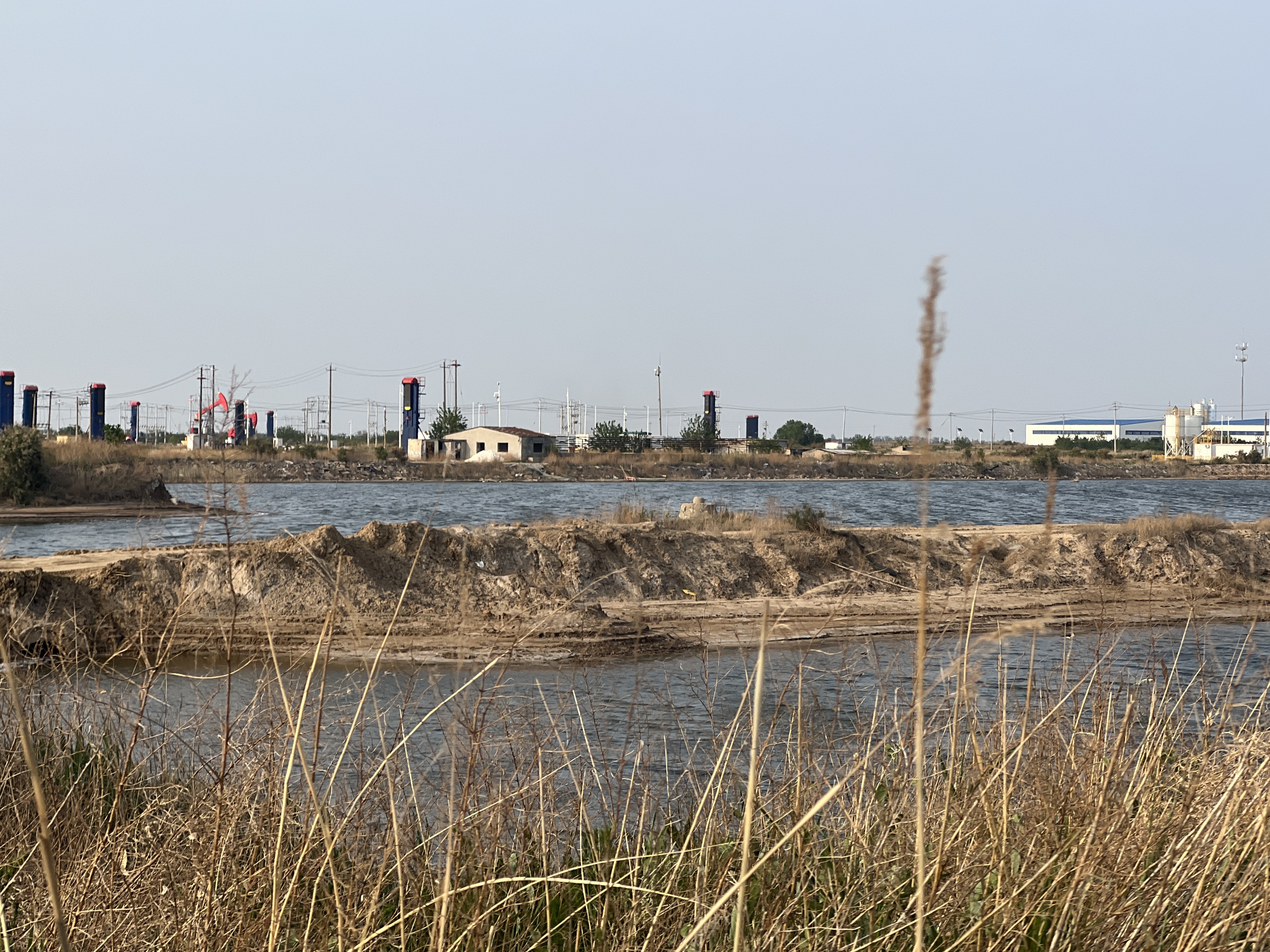
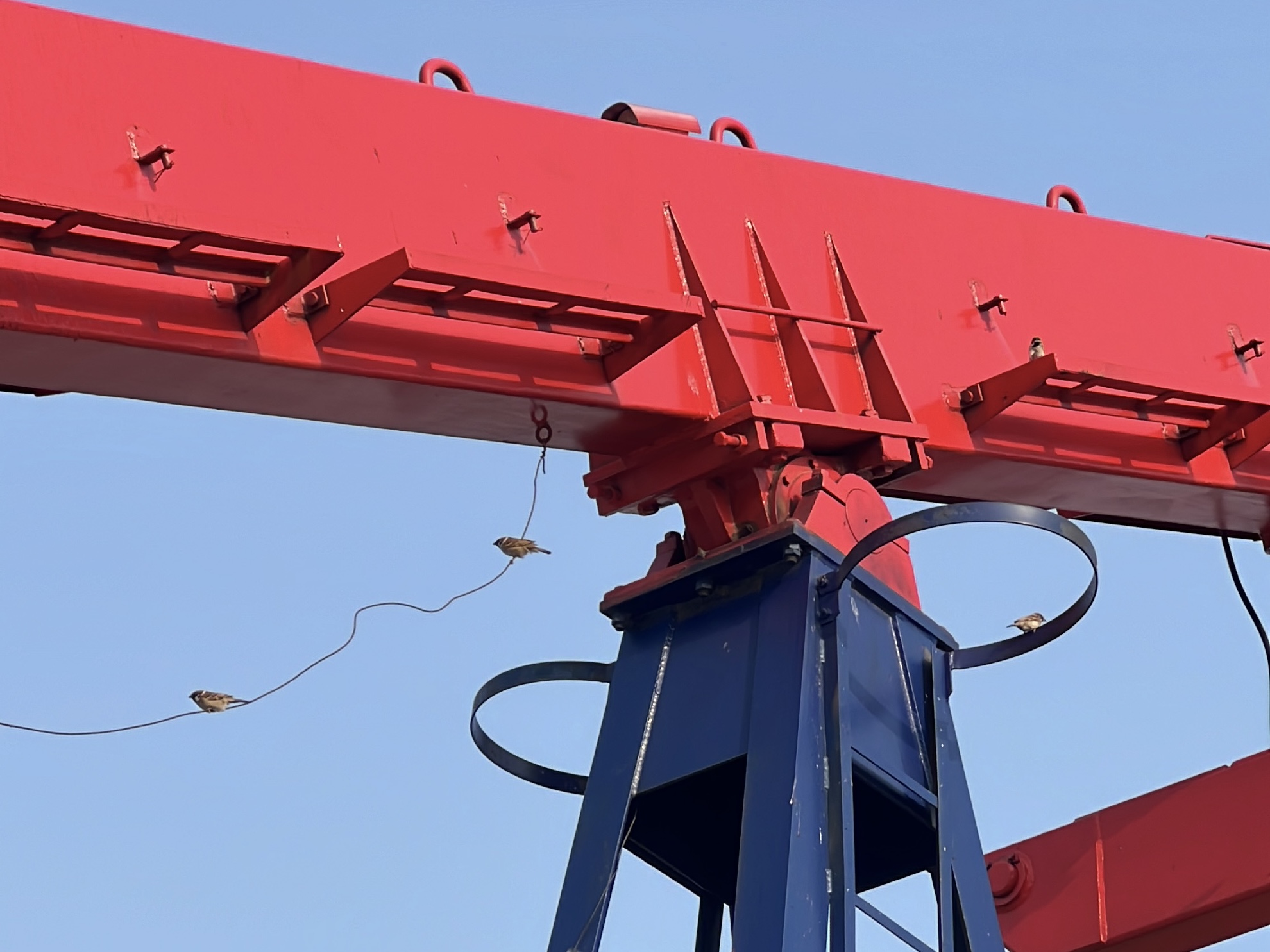
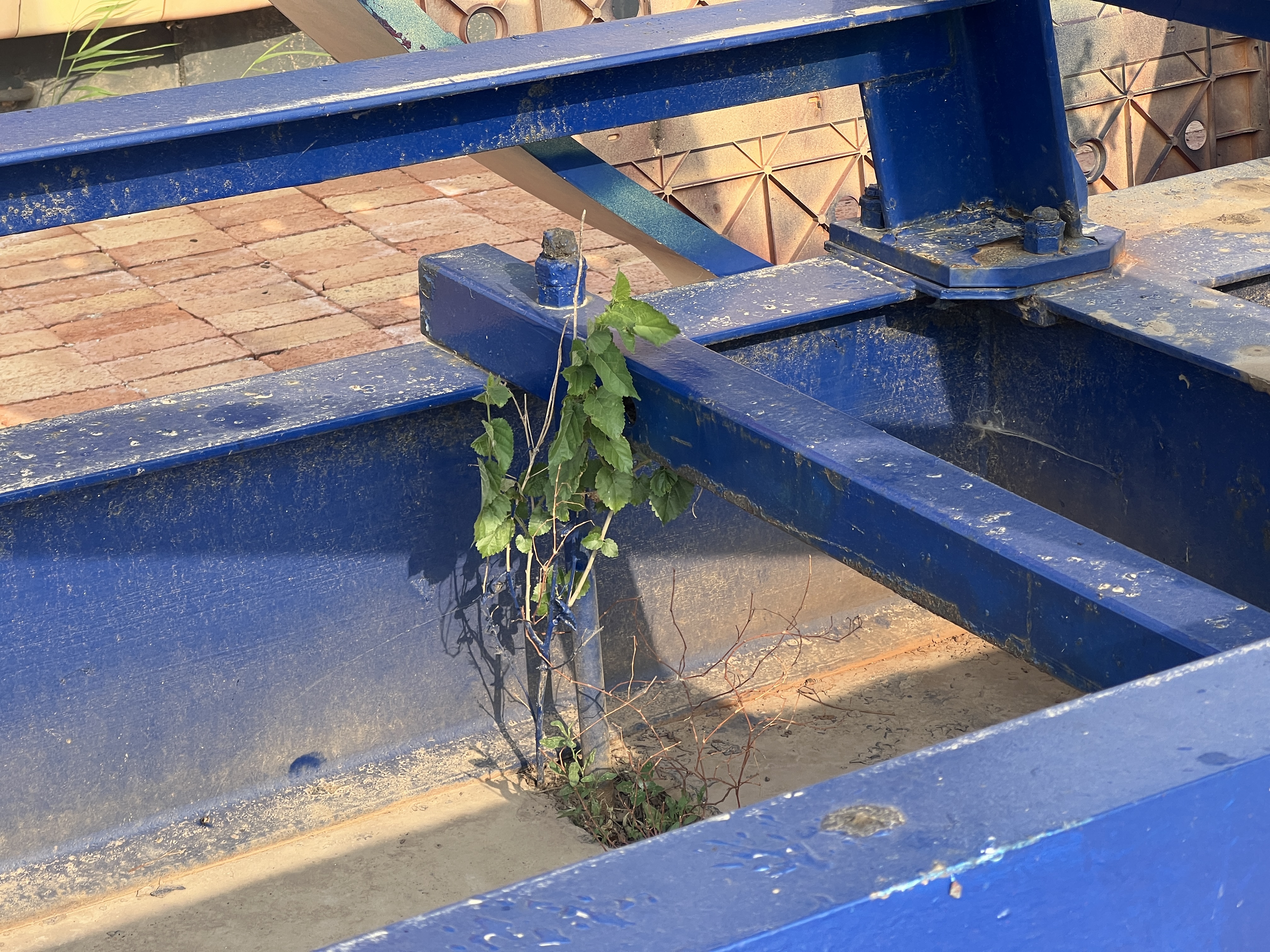
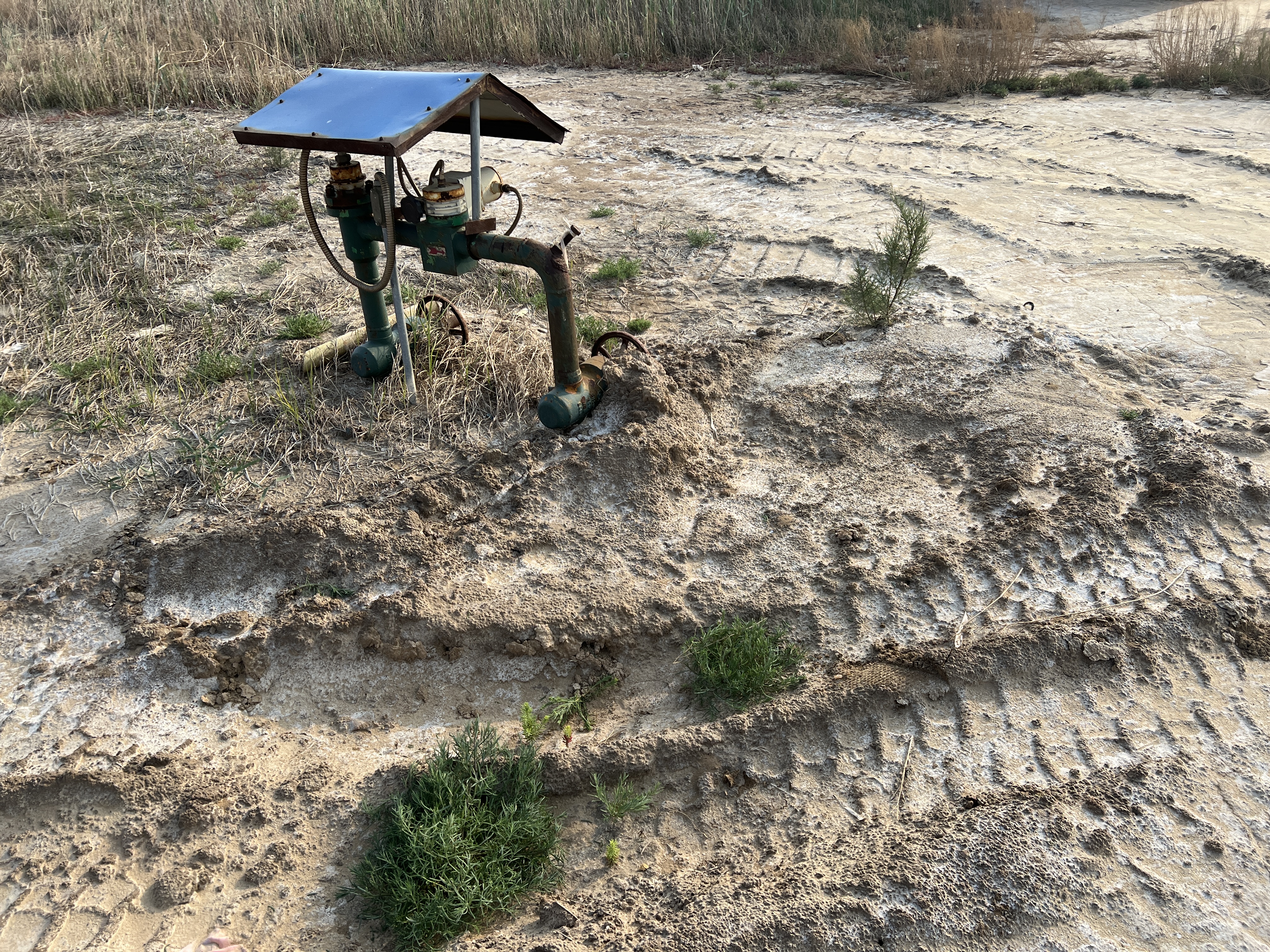
Following the preliminary experiments in London, the Yellow River Delta Wetlands became the principal field site where I tested and refined these methods within a highly industrialised ecological environment. This stage of the research focuses on areas densely shaped by petroleum infrastructure and multispecies activity, examining how ecological sonic symbols operate when ecological vitality and industrial intervention come into conflict. This fieldwork aimed to evaluate the applicability and transferability of the Phase 1 methods—including sound-walking, deep listening, field recording, on-site observation, rubbing and symbolic extraction—and to expand them in response to the Delta’s distinct acoustic and material conditions. The fieldwork also involved extended recording of petroleum machinery, photographic and drone-based documentation using multispecies ethnography approaches, and preliminary ecological listening with local communities.
This phase marks the grounding of my doctoral research in the primary site of the Yellow River Delta Wetlands: situating Ecosound Notation within a complex industrial–ecological system and collaborating with researchers from a local institute of the Chinese Academy of Sciences to contextualise the soundscape through historical and scientific archives. It establishes the foundation for the visual and sonic archive of Ecosoud Notation that follows.
︎︎︎BACK NEXT ︎︎︎
liangchennn.sui@gmail.com;slcbeihang@163.com Liangchen Sui ©️2025 London, Shanghai